

Feeling Off-Balance? Discover the Link Between TMJ Disorders, Dizziness, and Vertigo

Unsteady or Spinning? Understanding Dizziness and Vertigo in TMJ Disorders
Dizziness and vertigo are often used interchangeably, but they refer to different sensations, especially concerning Temporomandibular Joint (TMJ) disorders. While both symptoms can be connected to TMJ dysfunction, they affect balance and spatial orientation in distinct ways.
Dizziness is generally characterized by lightheadedness or feeling off-balance, while vertigo involves a spinning sensation, either of the person or their surroundings. Understanding the differences between these conditions and how TMJ disorders contribute to them can help guide proper treatment and symptom management.
What is the Difference Between Dizziness and Vertigo?
Dizziness and vertigo are both related to balance issues, but they have different characteristics:
Dizziness
Dizziness is feeling unsteady or lightheaded as if you might faint or lose balance. It can result from a disruption in the body's balance system, which includes the muscles, nerves, and blood flow in the head, neck, and jaw. In TMJ disorders, dizziness often arises from muscle tension in the jaw, neck, or shoulders that affects the nerves responsible for balance.
- Common symptoms: Lightheadedness, feeling off-balance, unsteady on your feet.
- Connection to TMJ: Jaw misalignment or muscle tension can compress nerves and blood vessels, affecting balance and leading to dizziness.
Vertigo
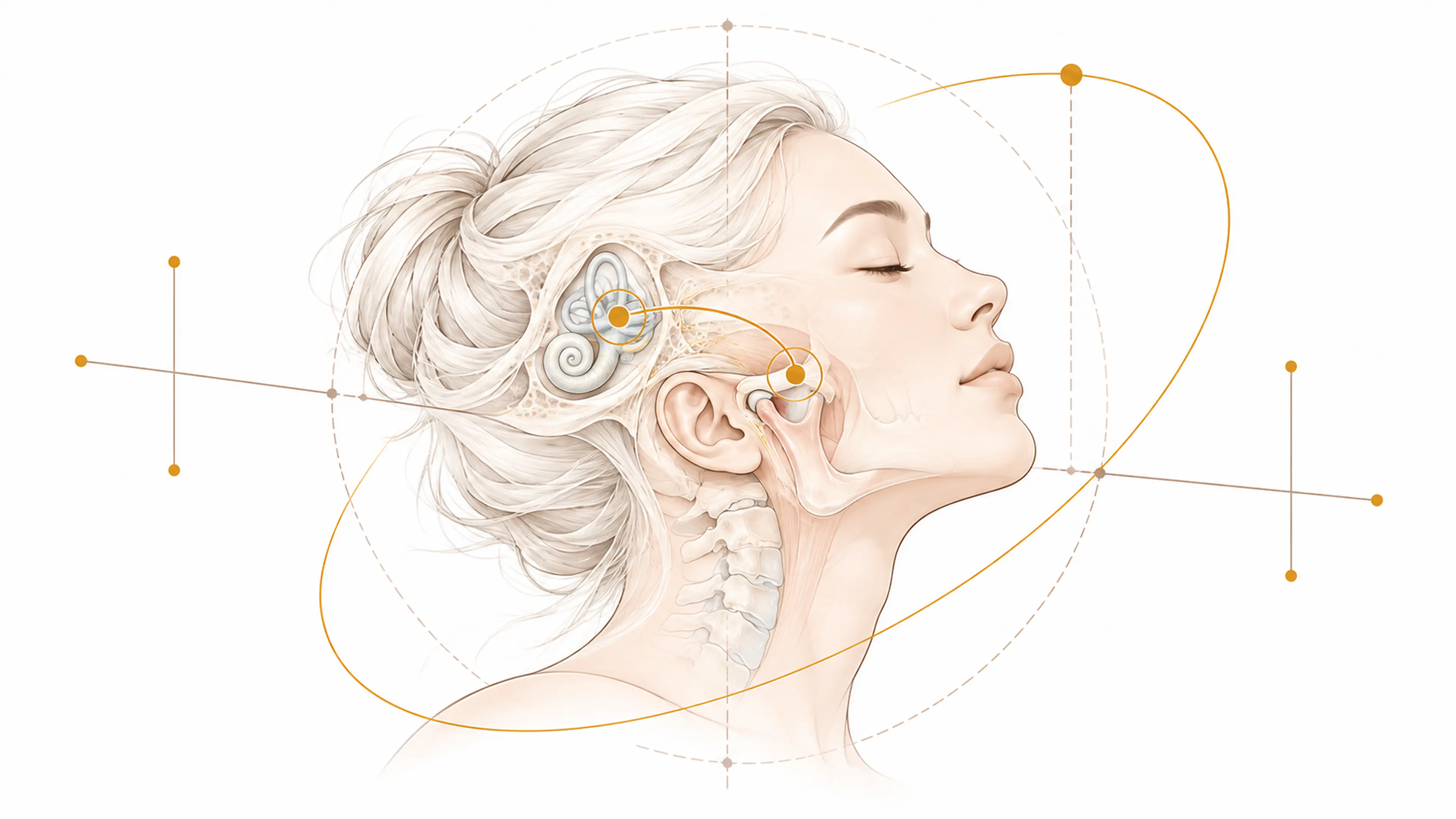
Vertigo, on the other hand, is a specific type of dizziness that involves a spinning sensation. People with vertigo may feel like their environment is moving in circles. This condition is often linked to issues in the inner ear, which is responsible for regulating balance. TMJ dysfunction can affect the inner ear by altering the alignment of the jaw and muscles, which are closely connected to the ear's vestibular system.
- Common symptoms: Spinning sensation, nausea, difficulty standing, or walking without losing balance.
- Connection to TMJ: TMJ disorders can create pressure or tension in the area surrounding the inner ear, disrupting the vestibular system and triggering vertigo.
How TMJ Disorders Contribute to Dizziness and Vertigo
The TMJ is located close to the ear and shares connections with the muscles and nerves that help regulate balance. When TMJ disorders cause jaw misalignment, muscle tension, or nerve compression, they can indirectly affect the body's sense of balance, leading to dizziness or vertigo.
Key Ways TMJ Disorders Impact Balance:
- Jaw misalignment: When the TMJ is out of alignment, it can affect the head and neck position, disrupting balance and contributing to dizziness.
- Muscle tension: TMJ disorders often cause muscle tension in the jaw, neck, and shoulders, which can interfere with the nerves and muscles that help maintain stability and spatial orientation.
- Inner ear involvement: The vestibular system controls balance and is located in the inner ear. TMJ dysfunction can cause pressure on the structures surrounding the ear, leading to vertigo-like symptoms.
Symptoms of TMJ-Related Dizziness and Vertigo
People with TMJ-related dizziness or vertigo may experience a variety of symptoms that affect their daily life. Recognizing these symptoms can help individuals seek proper treatment and prevent further complications.
Common Symptoms Include:
- Lightheadedness: Feeling faint or unsteady, often triggered by standing up or moving quickly.
- Spinning sensation: Vertigo creates the feeling that the room is spinning or you are moving in circles.
- Loss of balance: Difficulty maintaining balance, especially when walking or standing still.
- Neck and jaw pain: TMJ-related dizziness or vertigo is often accompanied by pain or tension in the jaw, neck, or shoulders.
Managing Dizziness and Vertigo in TMJ Disorders
A holistic approach is necessary to manage dizziness and vertigo caused by TMJ disorders. Addressing the root causes of TMJ dysfunction, such as jaw misalignment, muscle tension, and stress, can help alleviate these balance-related symptoms.
Physical Therapy and Jaw Exercises
Physical therapy can help strengthen and relax the muscles surrounding the TMJ, reducing tension and improving alignment. Specific jaw and neck exercises can also alleviate pressure on the nerves, contributing to dizziness and vertigo.
- Jaw stretches: Gentle stretching exercises can help reduce muscle tension and improve TMJ alignment, reducing the strain on the muscles and nerves that affect balance.
- Vestibular rehabilitation: Vestibular rehabilitation therapy (VRT) can help patients with vertigo retrain the brain to adapt to balance issues, improving stability and reducing vertigo symptoms.
Stress Management and Relaxation Techniques
Stress is a significant contributor to TMJ dysfunction, particularly for those who clench or grind their teeth. Learning to manage stress can prevent jaw tension and improve balance.
- Meditation and mindfulness: These relaxation techniques can help calm the mind and body, reduce stress-induced jaw clenching, and alleviate TMJ symptoms.
- Deep breathing exercises can help relax the muscles in the jaw, neck, and shoulders, improving blood flow and reducing dizziness.
Dental Appliances and Jaw Alignment
Custom-fitted dental appliances used by Dr. Green can help correct jaw misalignment, reduce teeth grinding, and alleviate pressure on the TMJ, which can prevent dizziness and vertigo.
- Physiologic orthotics: These custom appliances, typically worn over the lower teeth during the day, help prevent teeth grinding during sleep, reduce muscle tension, and improve TMJ alignment.
Posture Adjustments
Improving posture can help reduce TMJ-related muscle tension and improve overall balance. Properly aligning the head, neck, and shoulders can reduce pressure on the TMJ and the muscles responsible for maintaining balance. Dr. Green works with her patients on proper posture and can guide referrals if there are deficiencies.
- Good posture: Sit and stand with your head aligned with your spine, and avoid slouching or hunching your shoulders.
- Ergonomic adjustments: Ensure your workspace is set up to promote proper posture, especially if you spend long hours at a desk.
Understanding the Connection Between TMJ, Dizziness, and Vertigo – Find Relief with Dr. Green
Dizziness and vertigo are both balance-related symptoms that can be linked to TMJ disorders, but they differ in their presentation. Dizziness often results in feelings of lightheadedness or unsteadiness, while vertigo involves a spinning sensation. Both can be triggered by TMJ dysfunction due to the close connection between the jaw, neck, and inner ear.
Dr. Green's patients can alleviate these symptoms and improve their overall sense of balance by addressing the root causes of TMJ disorders through dental appliances, physical therapy, stress management, and posture adjustments. If you experience TMJ-related dizziness or vertigo, consult with Dr. Green and the Smile Team for a personalized treatment plan.