

Porcelain Inlays and Onlays in Springfield, MO
When a filling isn't enough but a crown is more than you need, an inlay or onlay restores exactly what's damaged and preserves everything that isn't.
The Right-Sized Fix
More than a filling, less than a crown. Your tooth gets exactly the restoration it needs, nothing more.
Maximum Tooth Preserved
Only the damaged portion is restored, keeping the healthy structure a full crown would cover.
Crafted in Porcelain
Milled to a precise 3D digital impression and crafted with master ceramists, strong, stain-resistant, and invisible.
Built for Back Teeth
Engineered to take real chewing forces where your bite works hardest.
What Are Inlays and Onlays?
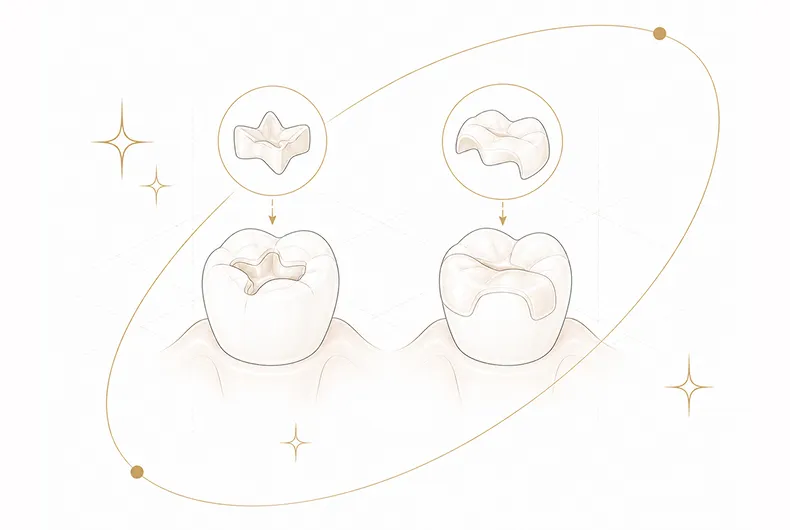
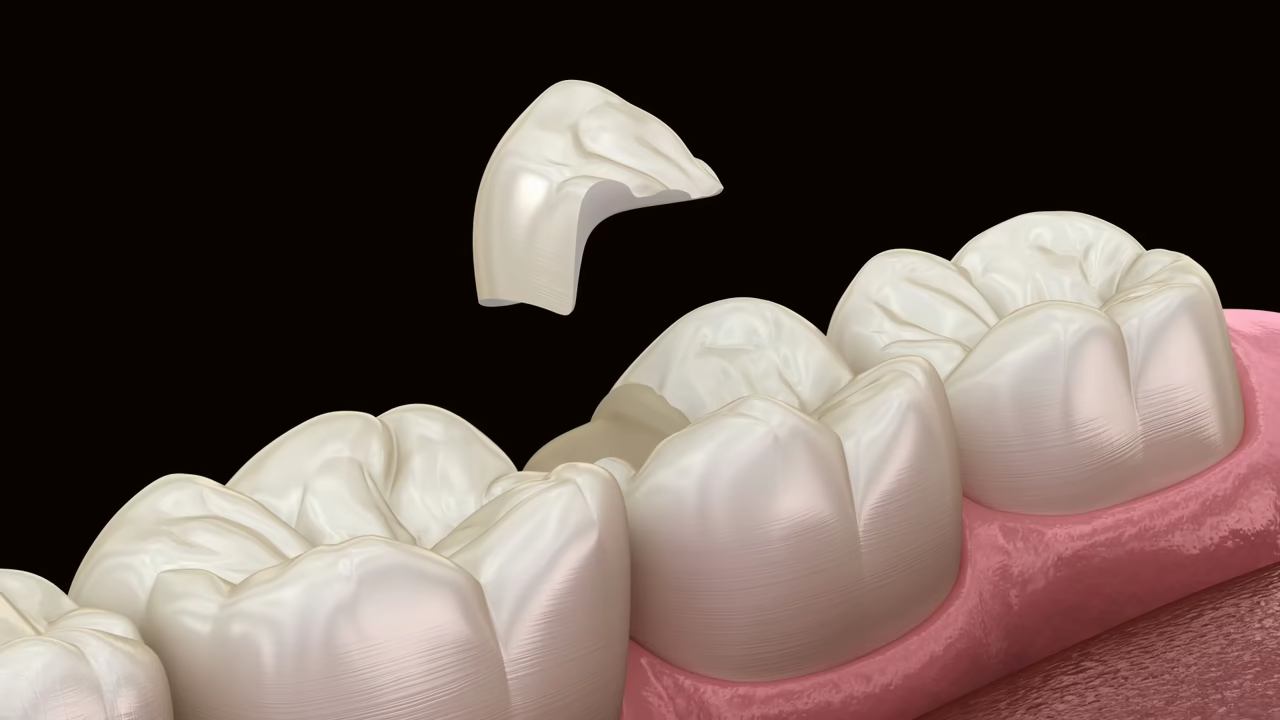
Think of them as the restoration between a filling and a crown. An inlay fits precisely within the grooves of a back tooth; an onlay extends over one or more cusps when the damage reaches the tooth's edges. Both are crafted from durable porcelain, matched to a 3D digital impression of your tooth, and bonded in place, restoring strength without sacrificing the healthy structure a full crown would remove.
- Inlay: fits within the tooth's chewing surface
- Onlay: extends over the tooth's cusps when damage spreads wider
- Crafted from stain-resistant porcelain to a precise digital impression
- Typically complete in two comfortable visits

When is an Inlay or Onlay the Right Answer?
It's the honest middle path, and knowing when to take it is the judgment call your dentist owes you.
- A cavity too large for a filling to restore reliably
- A cracked or worn back tooth that doesn't yet need a full crown
- An old, large metal filling breaking down at the edges
- A tooth where preserving structure matters for its long-term future
- When a crown would remove more healthy tooth than the damage justifies

Filling, Inlay, or Crown: Who Decides, and How?
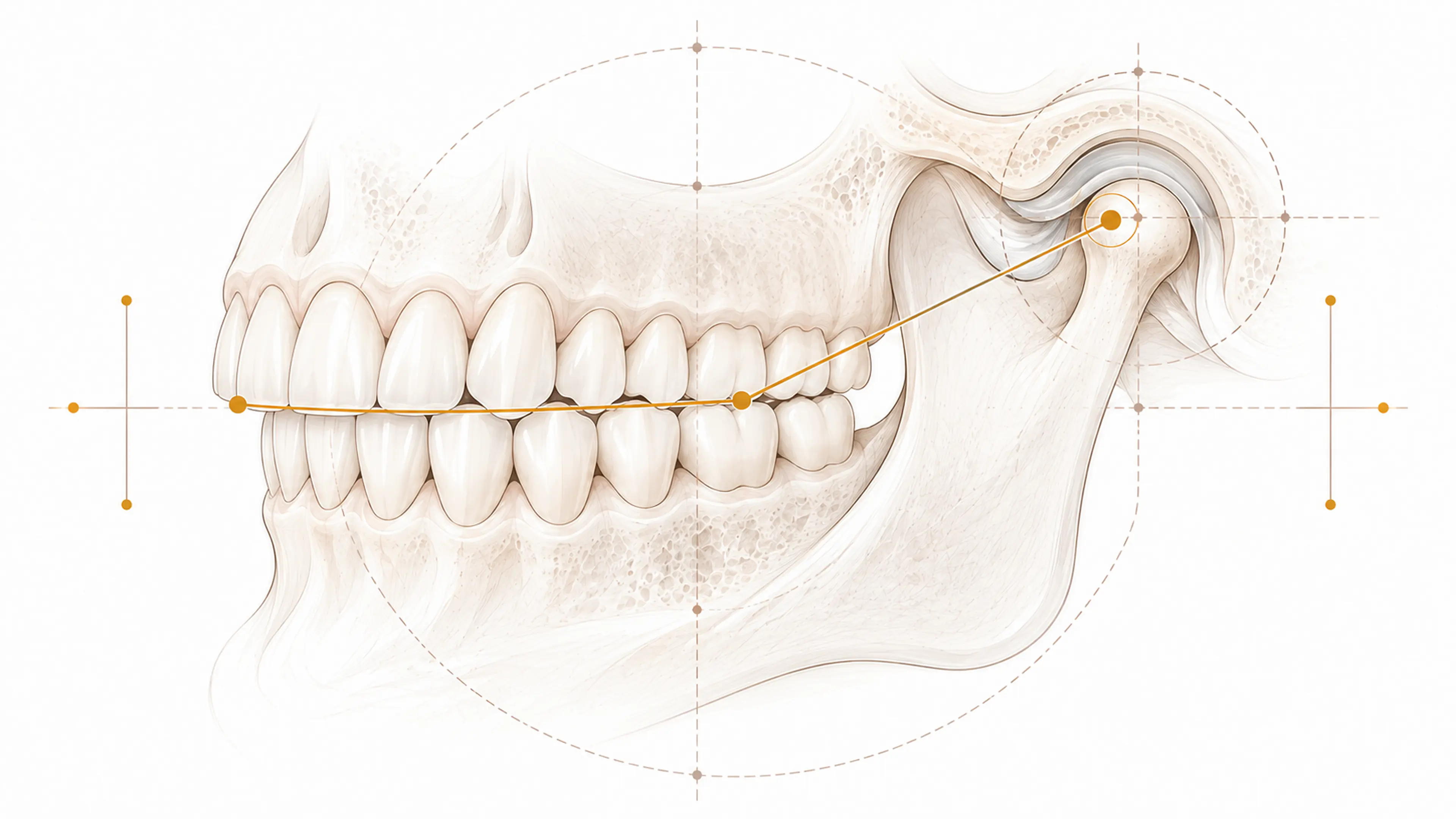
The size and position of the damage decides, and Dr. Green reads it honestly. A filling repairs small decay; a crown protects a tooth too compromised to stand alone; an inlay or onlay serves the wide middle ground where too many teeth get over-crowned or under-filled. Because every restoration here is planned with physiologic bite principles, your inlay or onlay is designed to carry your bite forces comfortably for the long haul.
- Recommendation based on what the tooth needs, not the fee schedule
- Digital impressions, no goop, and comfortable visits throughout
- Bite surfaces designed to physiologic principles
- Crafted with master ceramists in premium porcelain
What Do Inlays and Onlays Cost?
Inlays and onlays are custom-milled porcelain restorations, crafted with the same master-ceramist standards as a crown, and their investment typically starts in the same range. What you save isn't money: it's healthy tooth structure, and that's the more valuable currency over a lifetime. Your exact fee is quoted in writing before treatment begins, most insurance plans provide comparable restoration coverage, and our team verifies your benefits upfront.
- Custom porcelain craftsmanship, priced comparably to a crown
- The savings is in preserved tooth structure, not the fee
- Exact written quote before treatment begins, benefits verified for you
- Financing available for larger treatment plans
An inlay or onlay restores exactly what's damaged and preserves everything that isn't, the honest middle path between a filling and a crown. Each is milled from premium porcelain to a precise digital impression and crafted with master ceramists, with the same investment as a crown and far more of your natural tooth preserved.
Preservation as Philosophy
The less healthy tooth removed today, the more options your tooth keeps for a lifetime.
Porcelain, Not Patchwork
Milled porcelain resists stain and wear in ways large composite fillings can't match on hard-working back teeth.
Master Ceramist Standards
The same lab craftsmanship behind veneers and crowns, applied to the teeth nobody sees.
A Bite-True Fit
Physiologic principles shape every chewing surface, so your restoration works with your muscles and joints.
The Middle Path, Honestly Chosen
When a crown is too much and a filling too little, this is the recommendation you'll actually hear.

Rick
,
Patient Review

Jordan
,
Patient Review

Selina
,
Patient Review

Questions patients often ask before choosing an inlay or onlay
An inlay fits within the grooves of a back tooth's chewing surface; an onlay covers one or more of the tooth's cusps when damage extends wider. Both preserve more natural tooth than a full crown.
A crown covers the entire tooth, which means removing healthy structure to place it. When damage is contained, an inlay or onlay restores the tooth with far less removal, keeping your options open for decades to come.
Yes, milled porcelain is engineered for chewing forces and resists the wear and stain that challenge large fillings. Bonded properly and bite-balanced, they commonly last 10 to 20 years or more.
Typically two: one for your digital impression and preparation, one to bond your custom porcelain restoration in place. Both are comfortable, unhurried visits.
Most plans cover them comparably to other restorations. Our team verifies your specific benefits and handles the paperwork before treatment begins, so you know your number upfront.
As custom-milled porcelain restorations, inlays and onlays typically start in the same investment range as a porcelain crown. The difference isn't the fee: it's how much of your healthy tooth is preserved. Your exact quote is in writing before treatment begins, with financing available.