

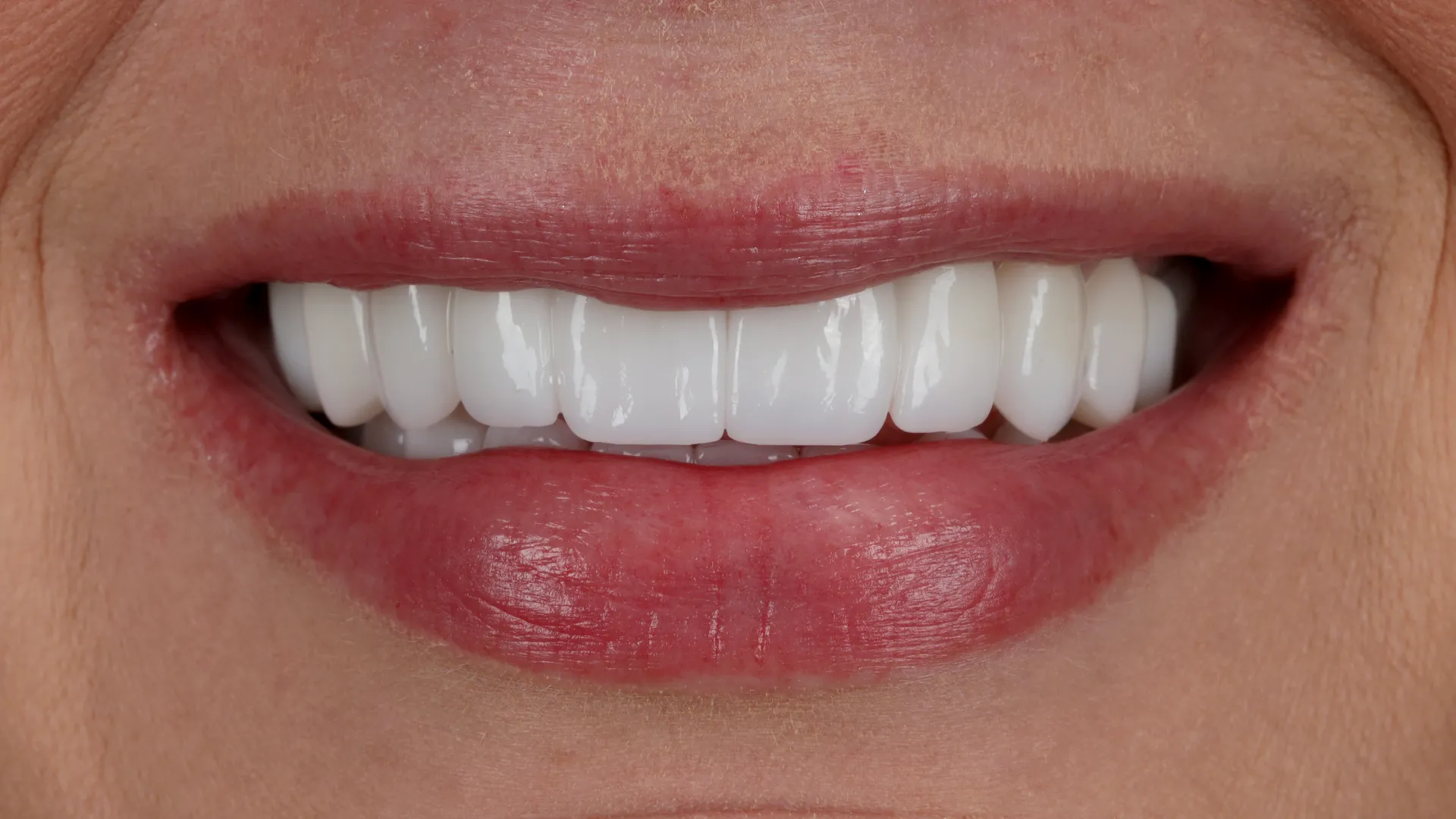
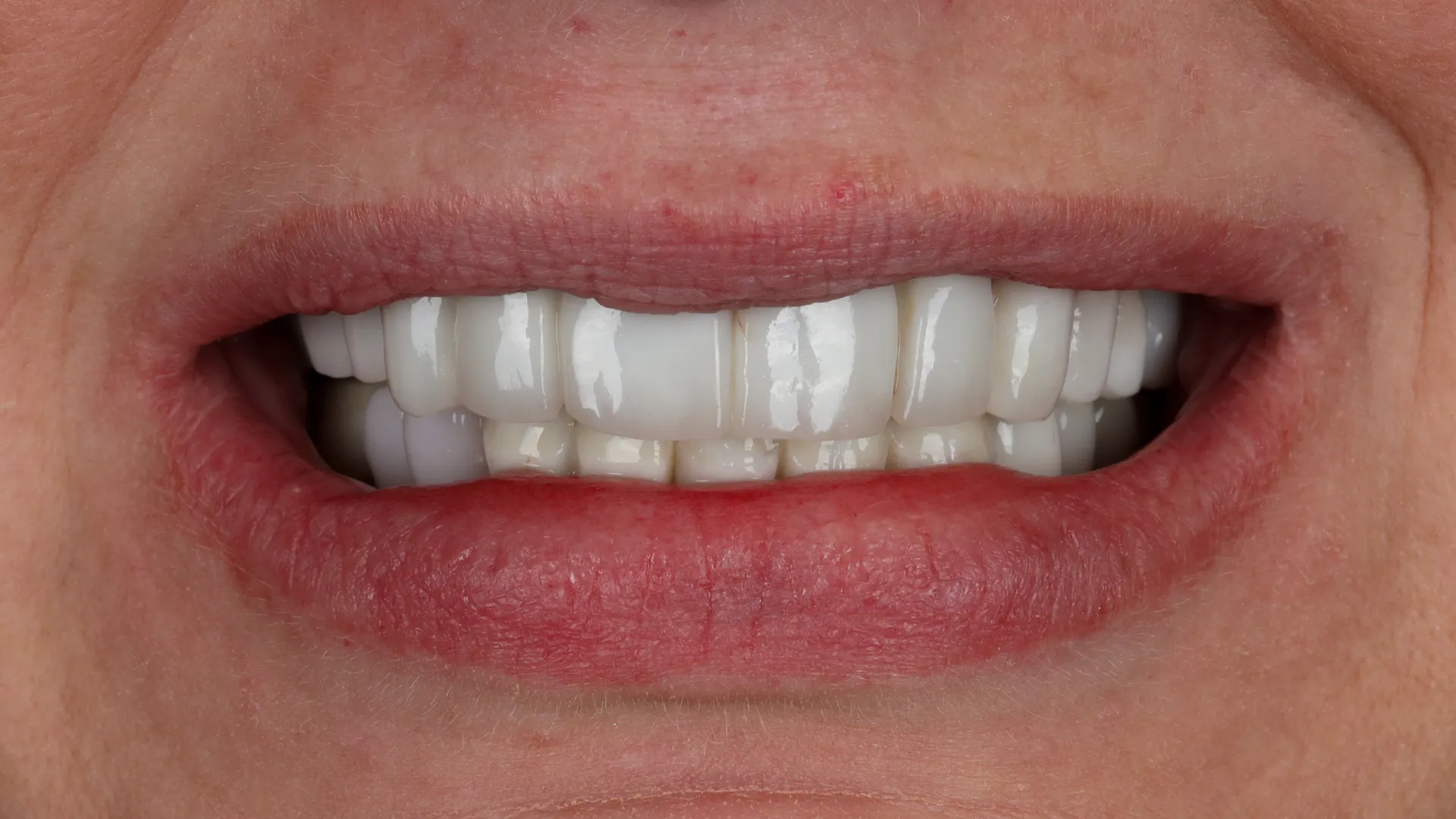
Before
After
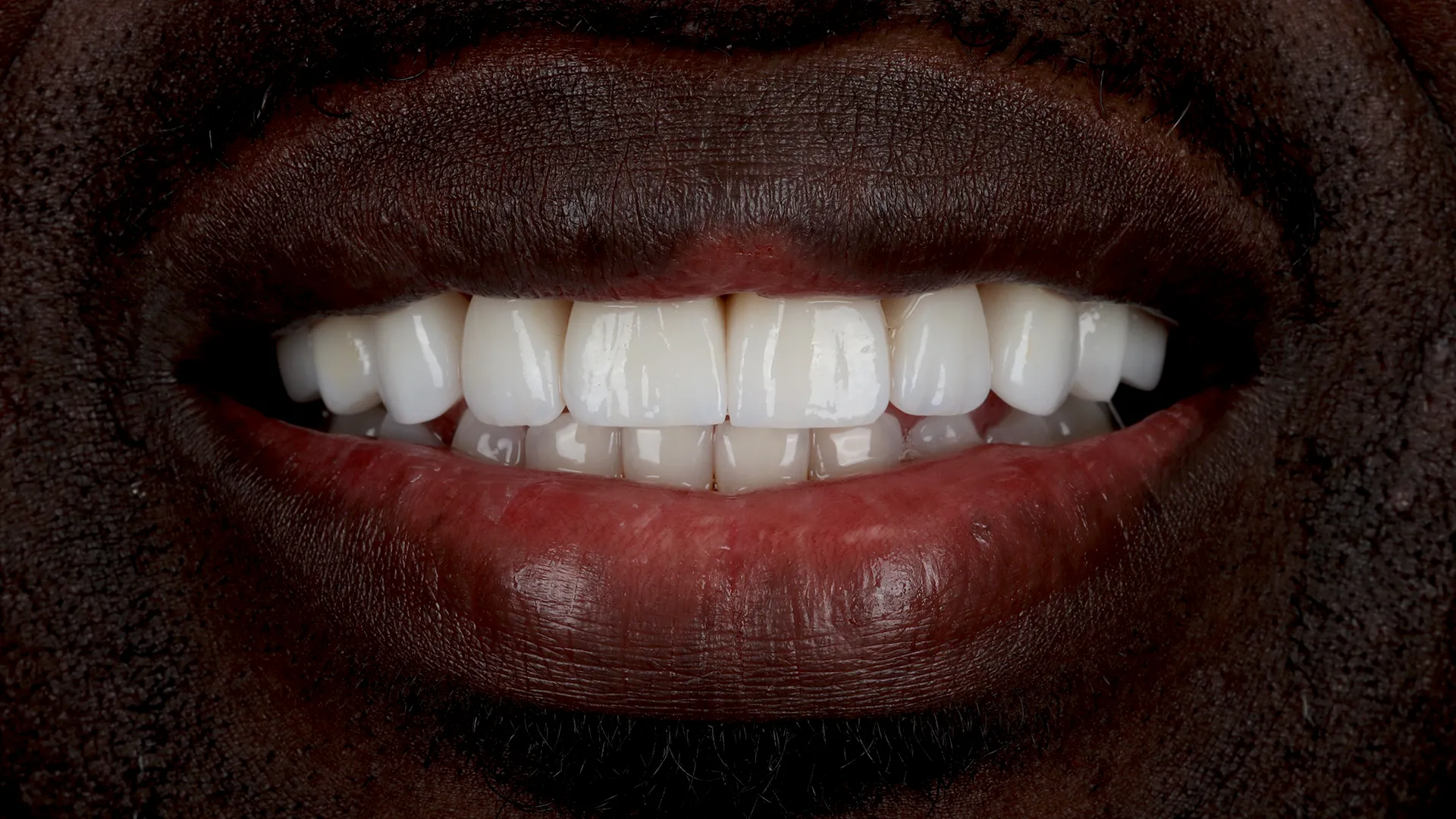
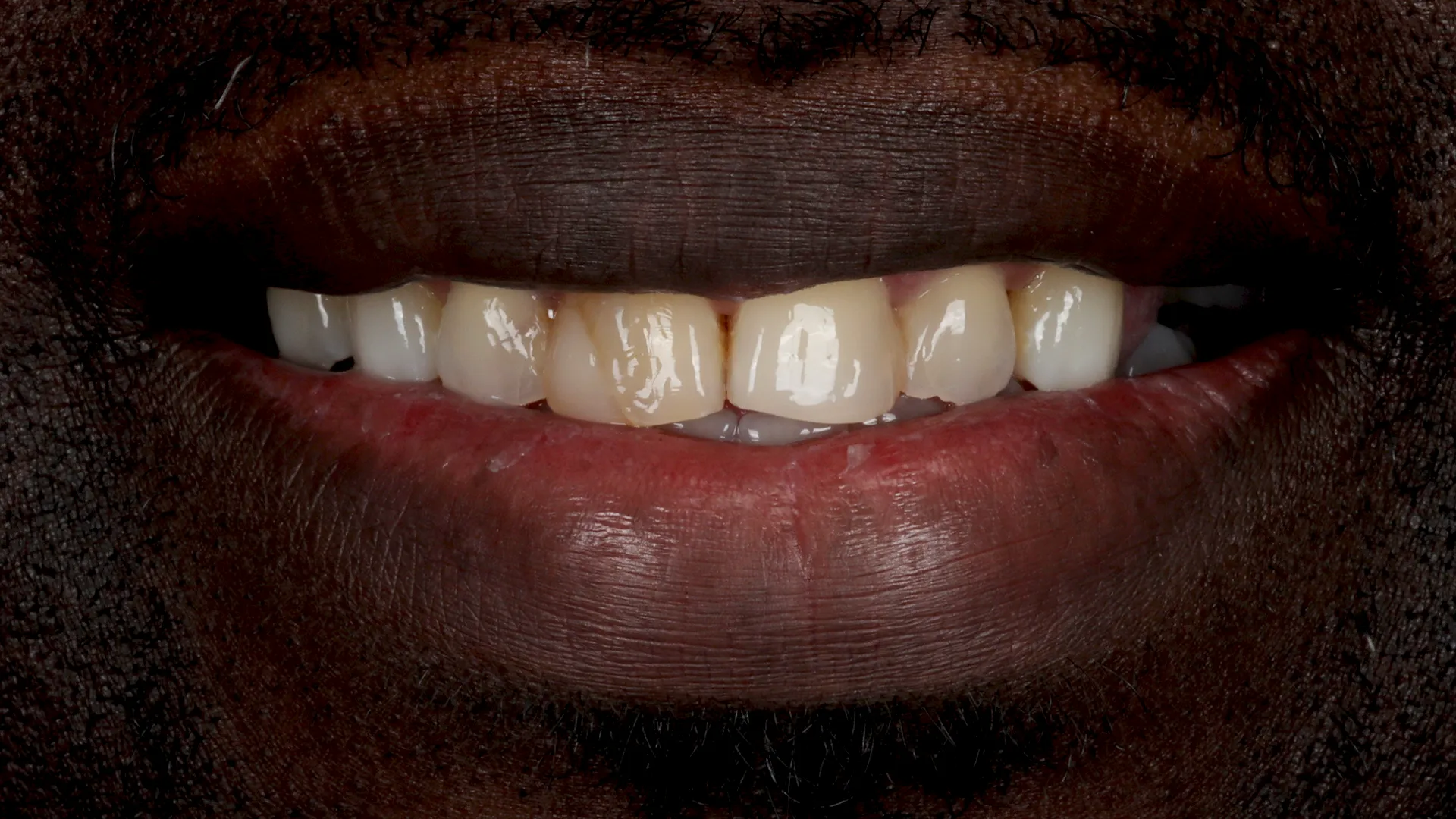
Veneers
12-Unit Veneer Makeover, Built for Work
Before
After
Full Mouth Reconstruction
More Than a Patch, 20 Years Later
Before
After
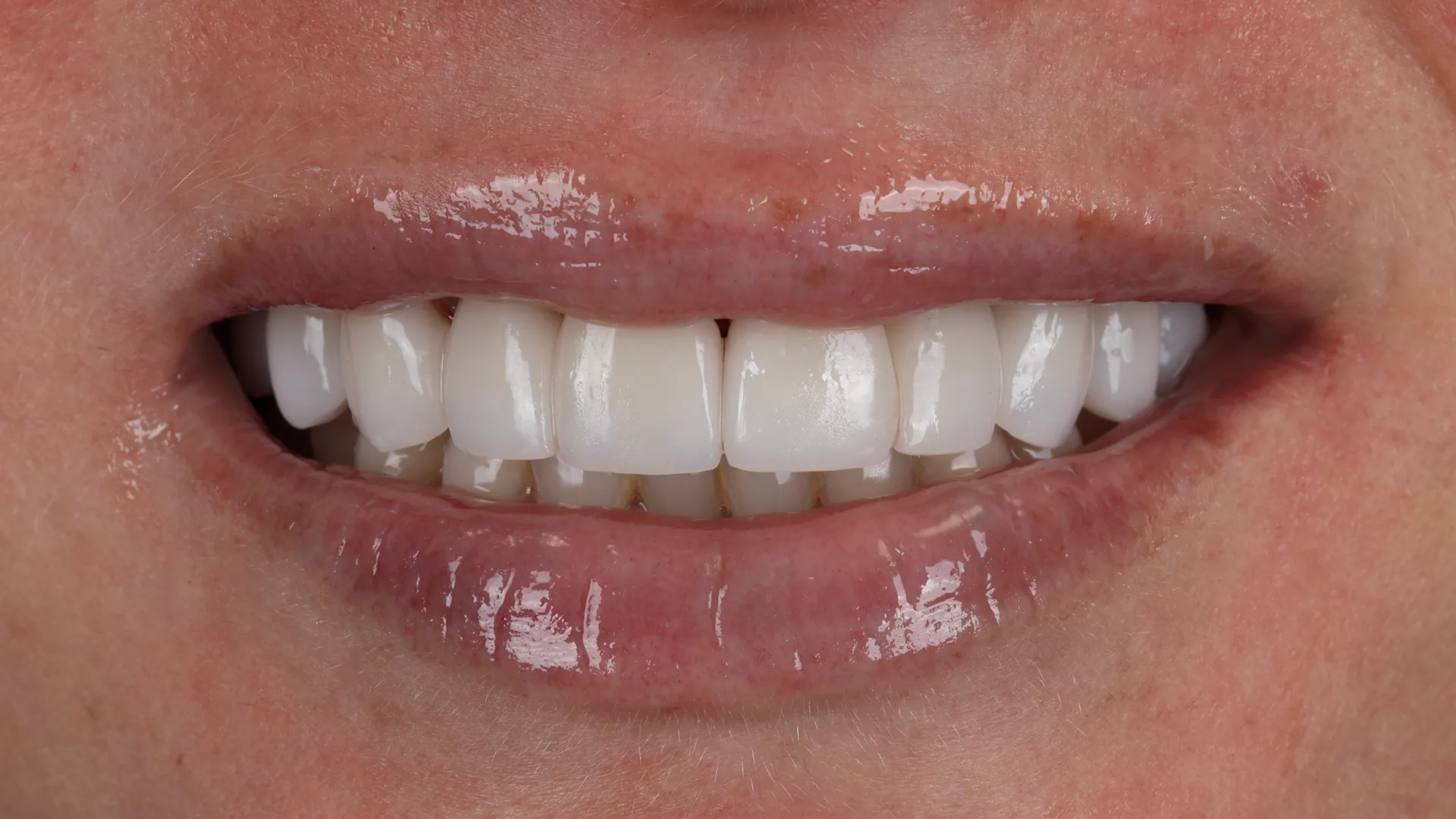
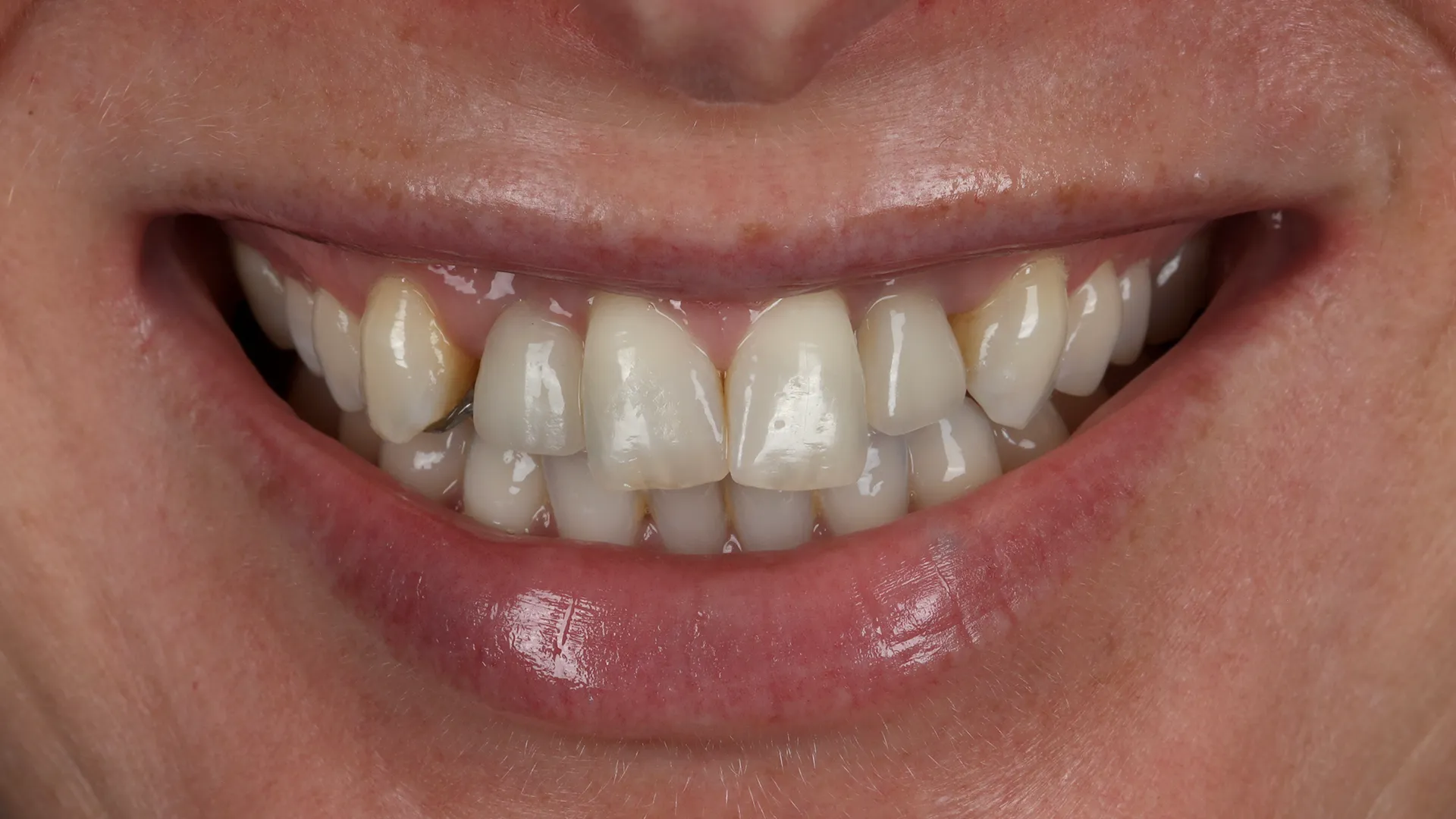
Veneers
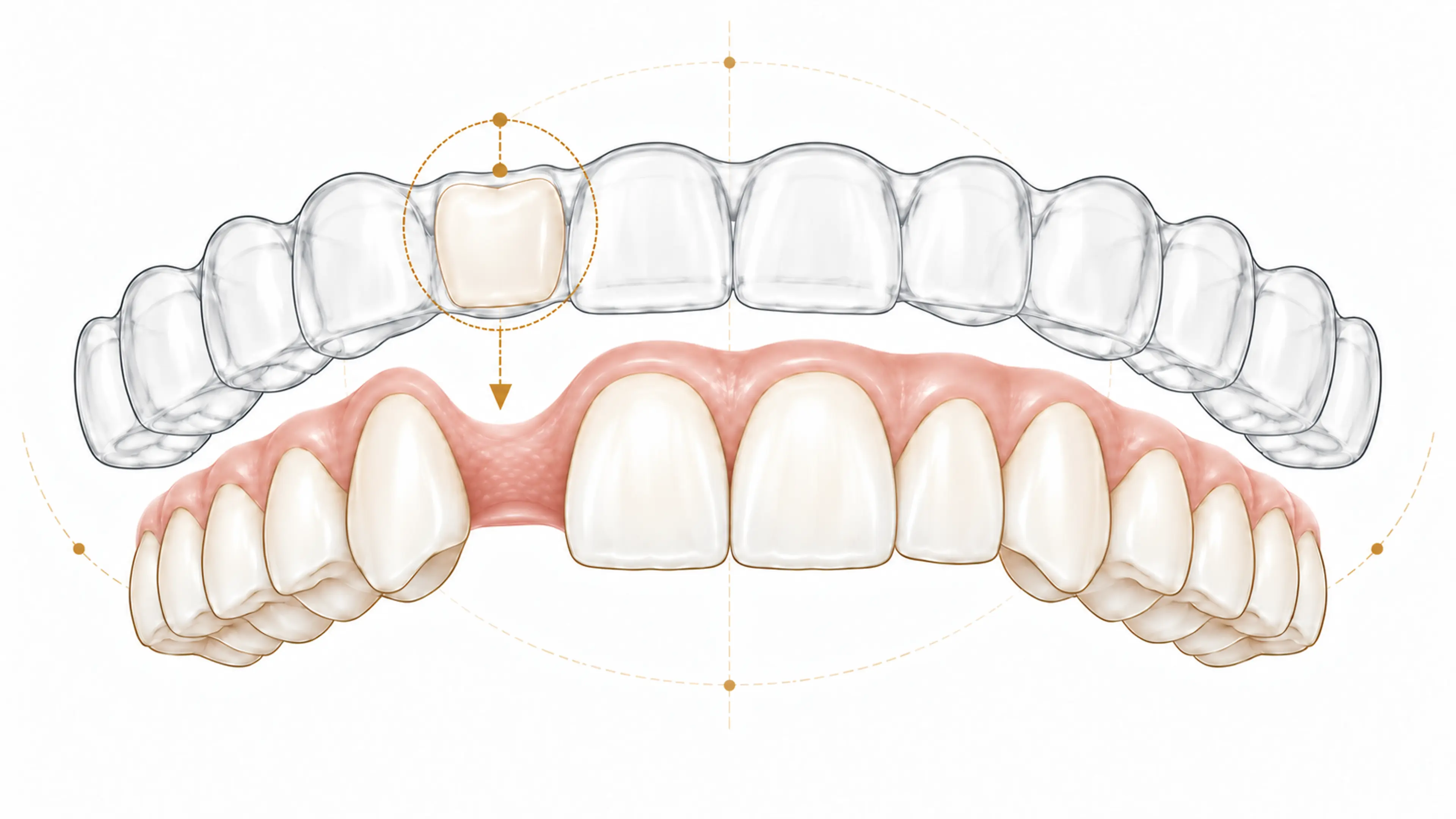
Fixed porcelain bridges that close the gap left by missing teeth, traditional or implant-supported, crafted to disappear into your smile.
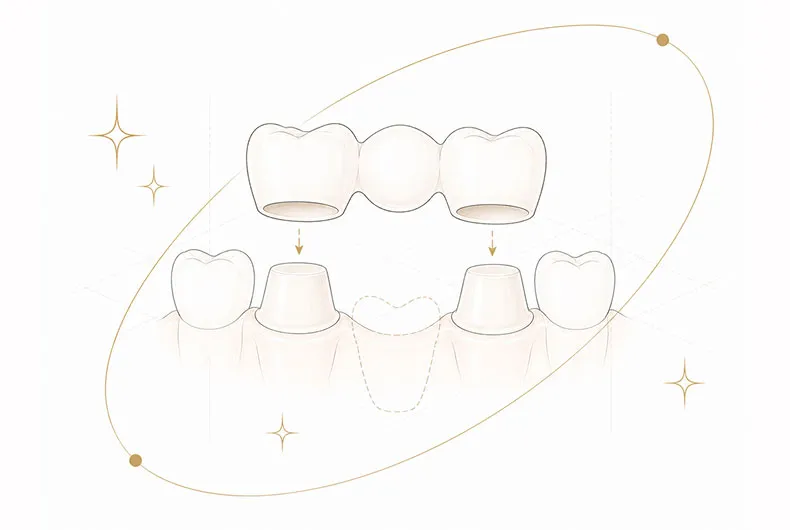
A bridge stays in place permanently, crafted in porcelain that blends with your natural teeth.
Closing the gap keeps neighboring teeth from drifting and your bite from unraveling around the space.
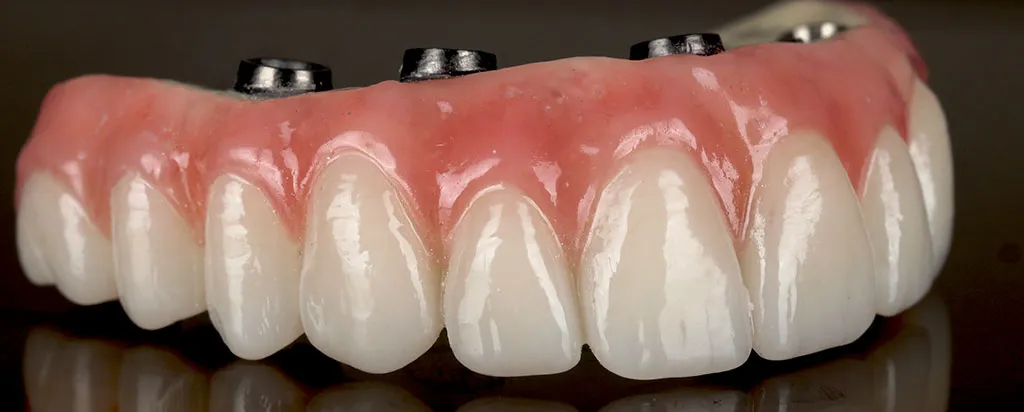
Traditional bridges anchor to neighboring teeth; implant-supported bridges stand on their own. Your consultation covers both.
Implant-supported bridges also preserve the jawbone beneath, an advantage no tooth-supported option offers.
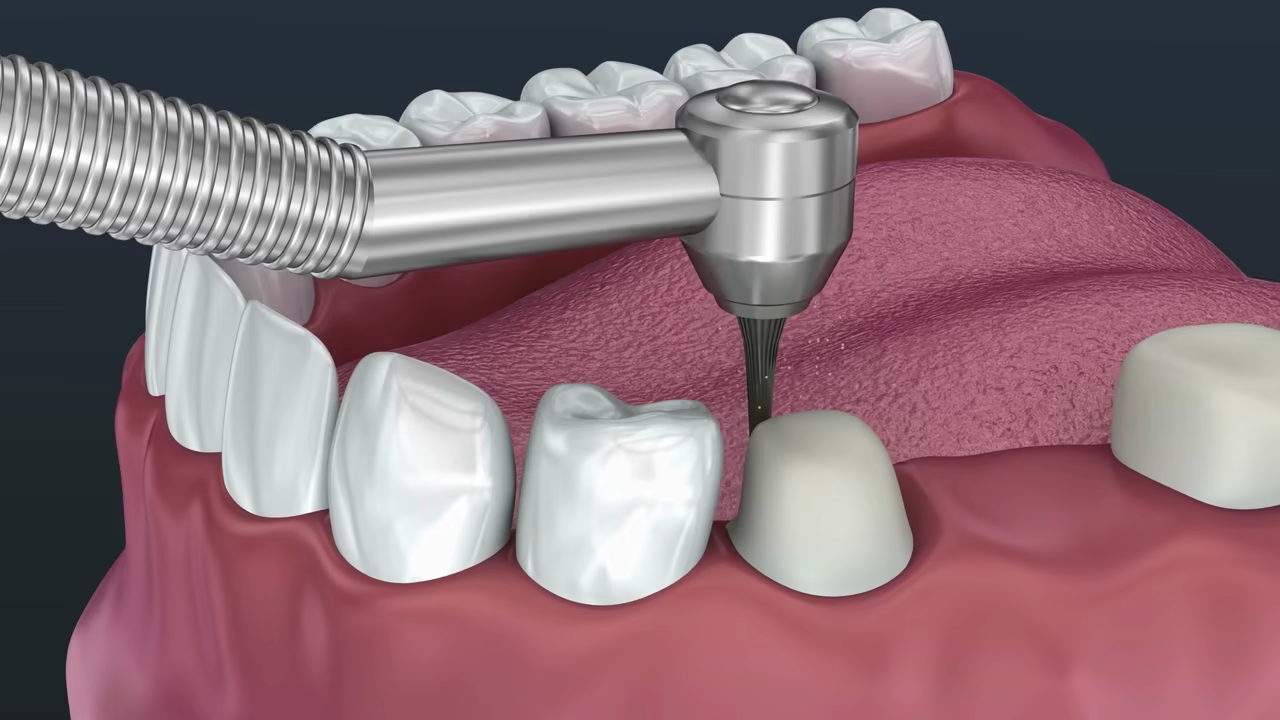
A bridge replaces one or more missing teeth with a fixed porcelain restoration. A traditional bridge anchors to crowns on the neighboring teeth; an implant-supported bridge rests on implants instead, leaving your natural teeth untouched. Both close the gap permanently, restore your chewing, and are crafted to vanish into your smile.
Because a missing tooth is a slow-motion problem. The space itself is the smallest part of it.

This is the conversation that matters. A traditional bridge requires crowning the healthy teeth beside the gap, which is sometimes exactly right, especially when those neighbors already need crowns, and sometimes more than they deserve. A single implant replaces the tooth without touching its neighbors, and an implant-supported bridge does the same for longer spans. Dr. Green reads your case honestly: your neighboring teeth, your bone, your budget, and your bite all get a vote, and you'll hear the real trade-offs before choosing.
Bridge investment depends on the design and the number of teeth replaced. Traditional bridges are quoted entirely by us, in writing, before treatment begins. Implant-supported designs involve two phases: implant placement, quoted by your oral surgeon, and your bridge, quoted by us. Either way, your consultation maps every number upfront, our team verifies your insurance benefits, and financing can spread your investment into monthly payments.
A missing tooth is never just a gap: neighboring teeth drift, your bite shifts, and chewing moves where it shouldn't. A bridge closes the space with a fixed porcelain restoration, and Dr. Green offers both traditional and implant-supported designs, with an honest read on which serves your smile best.
The same shade-matching and craftsmanship behind veneers and crowns, applied across the whole span.
Bite forces across a bridge are calculated, not guessed: physiologic principles shape every chewing surface.
When crowning healthy teeth isn't justified, you'll hear about implant options instead. Honest beats convenient.
Implant-supported bridges preserve jawbone the way no tooth-supported restoration can.
From a single missing tooth to longer spans, and up to full-arch AOX solutions, every scale gets the same standard.

Beth
,
Patient Review

Rick
,
Patient Review

Selina
,
Patient Review

Jordan
,
Patient Review

Quality porcelain bridges commonly last 10 to 15 years or more, and implant-supported designs often longer. Bite design and home care are the biggest factors, and both get real attention here.
It depends on your case. A traditional bridge makes sense when neighboring teeth already need crowns; a single implant preserves untouched neighbors and the bone beneath. Your consultation compares both honestly, with real numbers for each.
The teeth involved are completely comfortable before anything begins, and nitrous oxide is available if you're anxious. Most bridge visits are far easier than patients expect.
Daily brushing plus cleaning beneath the span with floss threaders or a water flosser keeps a bridge healthy. You'll get a simple routine that works, and we maintain everything professionally at regular visits.
Traditional bridges typically replace one to three teeth in a row; implant-supported bridges can span longer gaps, up to full-arch AOX solutions for complete tooth replacement.
Investment depends on the design and span. Traditional bridges are quoted entirely by us in writing before you begin; implant-supported designs are quoted in coordinated phases with your oral surgeon. Every number is mapped at your consultation, with financing available.