

Diagnosing TMJ with an Expert

Diagnosing TMJ with an Expert
Temporomandibular joint (TMJ) disorder affects the jaw joint and surrounding muscles, causing pain, difficulty chewing, and other symptoms. Proper diagnosis with a highly trained TMJ dentist, like Dr. Randi Green, is critical for effective treatment, but because TMJ can have a variety of causes, it involves a comprehensive evaluation. This article outlines the essential methods used to diagnose TMJ disorder, focusing on modern techniques that provide accurate and reliable information.
Comprehensive Approach to TMJ Diagnosis
TMJ disorder diagnosis varies between practitioners, but most employ a comprehensive approach. A thorough assessment involves the following key areas:
- Teeth: The alignment of the teeth is examined, as misalignment can contribute to jaw dysfunction.
- Jaw Muscles: The muscles responsible for jaw movement are assessed to identify any imbalances or tension contributing to pain or limited movement.
- Jaw Joints: The joints are evaluated to ensure they function correctly and are in a healthy position relative to the rest of the craniofacial system.
The teeth, muscles, and joints must work harmoniously for the jaw to function correctly. Therefore, they are essential focus areas in a diagnosis of TMJ disorder.

3D X-Ray Imaging for TMJ
One of the most crucial tools in diagnosing TMJ disorder is the 3D X-ray. Unlike traditional 2D X-rays, 3D imaging allows expert dentists, like Dr. Green, to visualize the jaw joints, teeth, and airways in greater detail. This technology is instrumental in evaluating:
- Bone Quality: 3D X-rays help assess the condition of the bones in and around the jaw joints, which can reveal abnormalities or wear that may indicate TMJ disorder.
- Joint Position: Proper joint positioning is crucial for healthy jaw function. The X-ray provides insight into whether the joints are aligned and functioning as they should.
- Airway Assessment: A narrow or obstructed airway can contribute to TMJ problems, which is also checked during the 3D imaging.

Radiology Report
Imaging with a 3D method offers a more comprehensive view of the structures involved in jaw function, making it an essential tool in diagnosing TMJ disorder. After the exam we furnish a radiology report which is a detailed, scientific report of the large field x-ray.

Muscle Testing and Electromyography (EMG)
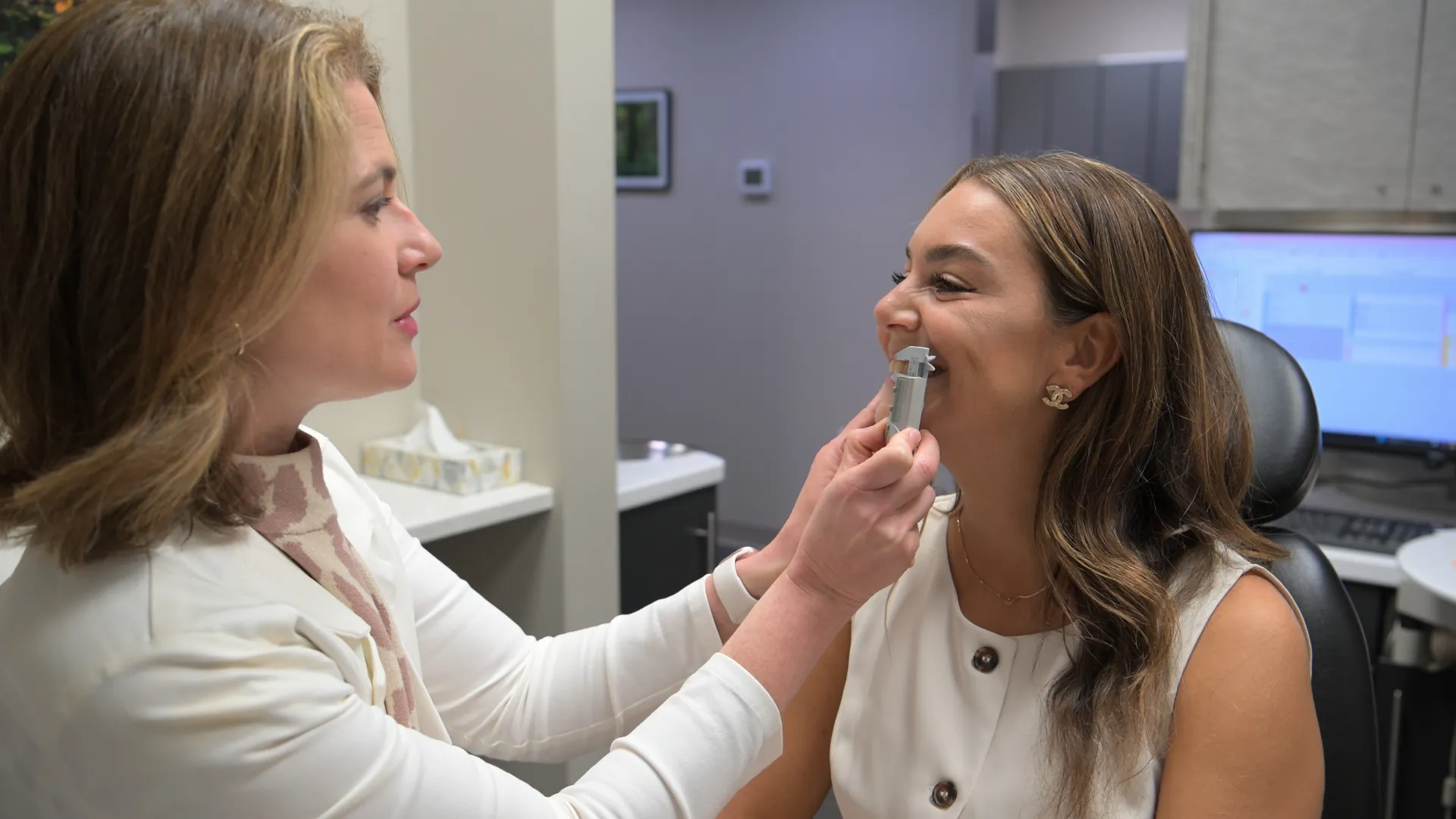
TMJ disorder often involves muscle dysfunction, which is why muscle testing is a vital part of the diagnosis process. This testing consists of measuring the range of motion in the jaw muscles to determine if there are any limitations or irregularities.
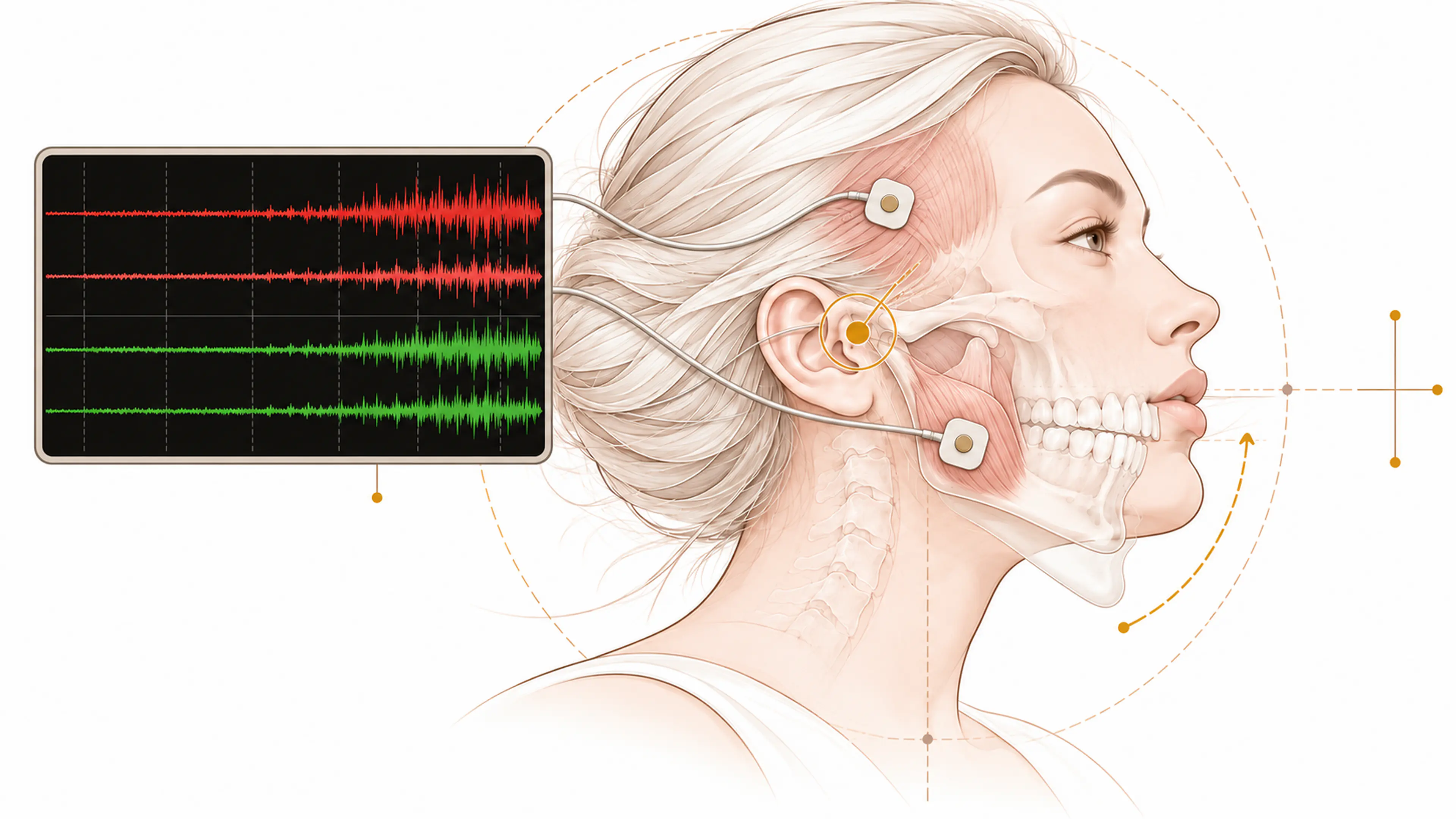
Electromyography (EMG) further refines this assessment. EMG measures the electrical activity in the jaw muscles, providing data on whether the muscles usually function. Healthy muscles exhibit specific electrical patterns, while muscles affected by TMJ disorder may show irregularities. This scientific data allows for a more precise diagnosis.
Scientific Accuracy in TMD Diagnosis
Combining 3D X-ray imaging and EMG muscle testing gives Dr. Randi Green a highly accurate picture of the patient's condition. The data gathered from these tests offers insights into the cause of the disorder and helps guide treatment planning.
Benefits of EMG Testing in TMJ Diagnosis:
- Precision in Diagnosis: EMG testing provides highly accurate data about muscle activity, helping to pinpoint exactly which muscles are overactive or underperforming. This precision helps identify the root cause of TMJ-related issues.
- Objective Data: Unlike subjective methods such as palpation (feeling muscles by hand), EMG delivers measurable, scientific results. This reduces the chance of misdiagnosis and gives a clearer picture of muscle health.
- Early Detection: EMG can detect abnormalities in muscle function even before physical symptoms like pain or stiffness become severe. This allows for earlier intervention and potentially prevents the condition from worsening.
- Tailored Treatment Plans: With the detailed data provided by EMG, practitioners can design treatment plans that specifically target the affected muscles, making the treatment more effective and personalized.
- Monitoring Progress: EMG can be used throughout treatment to track improvements in muscle function, helping both the practitioner and the patient see the effectiveness of the treatment over time.
- Non-invasive and Quick: EMG testing is non-invasive, safe, and quick to perform, making it a convenient option for patients and practitioners.
EMG testing with Dr. Randi Green and her smile team enhances the accuracy, effectiveness, and personalization of TMJ disorder diagnosis and treatment.
Temporomandibular Joint (TMJ) disorder affects the jaw, causing pain, discomfort, and limited jaw movement. A proper TMJ diagnosis is essential for creating effective treatment plans. If you're experiencing jaw pain and searching for TMJ near me, understanding how professionals diagnose this condition is the first step.
Several specialists focus on treating TMJ disorders in Missouri, Arkansas, and Oklahoma, mainly with surgery. In Springfield, Missouri, Dr. Green will help rule out jaw surgery, pharmaceutical medication, and injection therapy. Her expertise includes performing comprehensive evaluations that examine the teeth, jaw muscles, and joints going beyond teeth for an accurate whole-health picture.

As any doctor can tell you, the most crucial step toward healing is having the right diagnosis. If the disease is precisely identified, a good resolution is far more likely. Conversely, a bad diagnosis usually means a bad outcome, no matter how skilled the physician.
—Andrew Weil
Who treats TMJ? With over 1000+ hours of postgraduate training, general dental experts like Dr. Green can typically diagnose and treat TMJ conservatively.
Whether you’re seeking TMJ care in Missouri, Arkansas, or Oklahoma, choosing a provider like Dr. Green, who uses advanced dental technology and diagnostics like 3D X-rays, jaw motion analysis, and EMG muscle testing, is essential for effective treatment.
This physiologic and comprehensive approach allows for early diagnosis and long-term relief, ensuring TMJ issues are managed before they worsen.