

How Straight Teeth Help You Keep a Healthier Smile


Imagine a piano whose keys no longer sit in a clean line. Some stick out. Some sink back. A few overlap. Dust collects in the gaps, and even after you wipe the surface, it stays in the places you cannot reach.
That is a fair picture of malocclusion: teeth that do not meet or line up the way they should.
People often ask for straighter teeth because they dislike how their smile looks in photos. That matters. It is not the only reason alignment is worth treating. The way teeth sit changes how you clean them, how biting force is shared, and how much extra work your jaw joints have to do.
Uneven force wears teeth down
When upper and lower teeth do not meet evenly, some teeth take more force than they were built to take. Over time that can show up as worn enamel, chips, or cracks. The same imbalance can load the jaw joints and the muscles that move them. Alignment is part of why a smile feels comfortable, not only why it looks even. If you want the longer version of how the bite and the joints affect each other, read How a Bad Bite Affects Your Body, TMJs, and Health.
Crowding makes plaque harder to remove
Plaque is a sticky film of bacteria, food, and saliva. Straight teeth give a toothbrush more even access and make flossing a path instead of an obstacle course. Crowded or rotated teeth leave pockets where plaque sits. Left there, that film raises the risk of cavities and gum disease.
Your mouth is also connected to the rest of your health. Research cited by the American Dental Association (ADA) has associated plaque bacteria with serious conditions, including heart disease, stroke, pneumonia, and diabetes. Cleaner, easier-to-reach teeth are one practical way to lower that burden. Straight teeth are not a cure for any of those conditions, and dental care is not a substitute for medical care. They are part of taking the mouth seriously as part of the body.
Where Invisalign fits
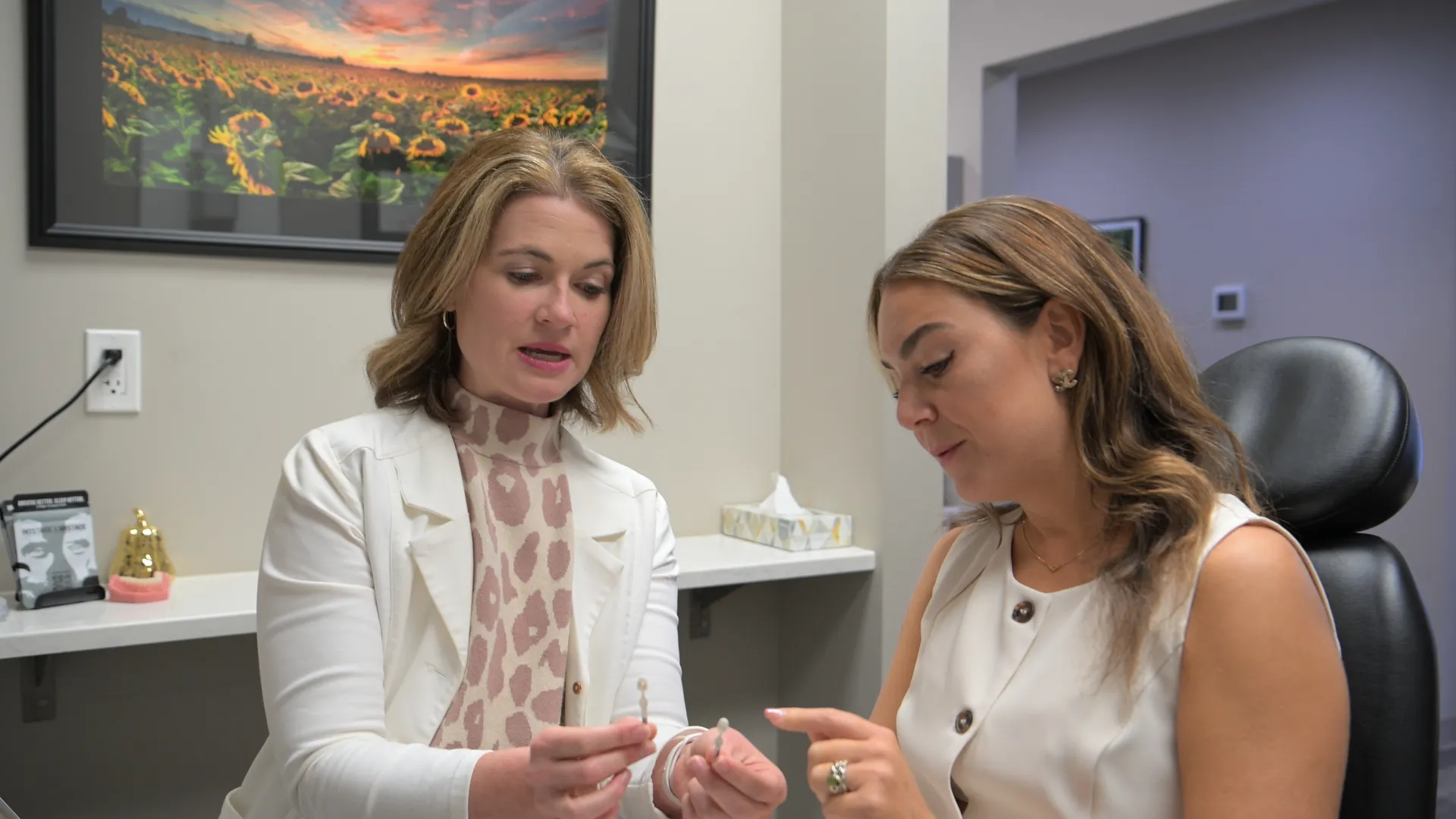
Invisalign is one way to guide teeth into a more even position with a series of clear aligners, planned around your bite and your goals. It is not the only way to straighten teeth, and it is not the right tool for every case. When the bite and jaw position are part of the problem, physiologic orthodontics may be the better fit. What Invisalign can do, when it is the right choice, is make daily cleaning more realistic and take damaging force off teeth and joints that were being overloaded.
If you want the product details (how aligners work, who they suit, and where they fall short), read Does Invisalign Work? What Are the Benefits and Pitfalls? For timing and fees, see Invisalign in Southwest Missouri.
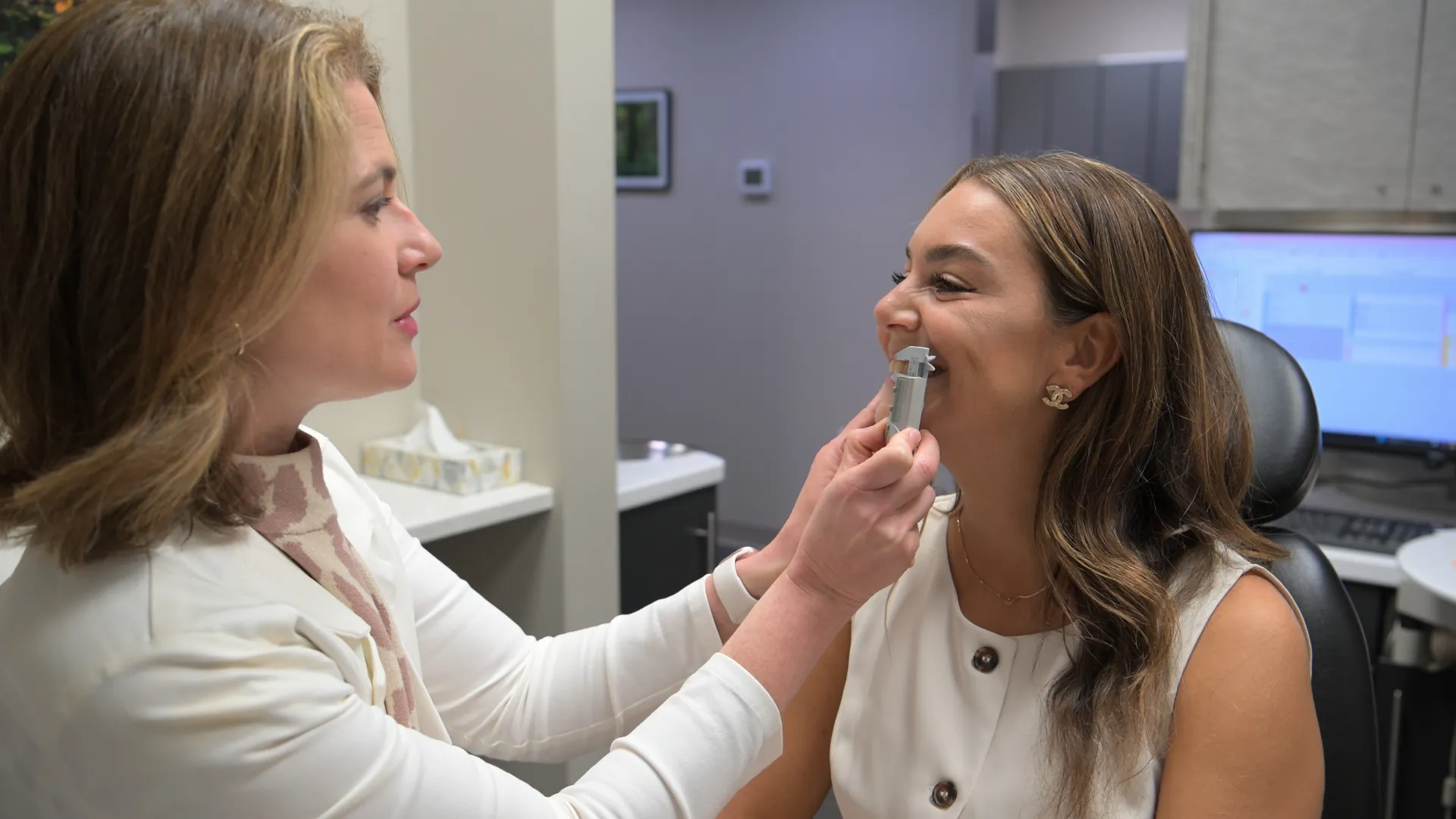
This page is the health case for alignment itself. If you are tired of cleaning around teeth that will not line up, call or text (417) 887-5155 or reserve your first visit, and Dr. Green can look at whether Invisalign or another approach is the honest next step.