

Can Lifestyle Changes Affect Dysfunction with TMJ Disorder?

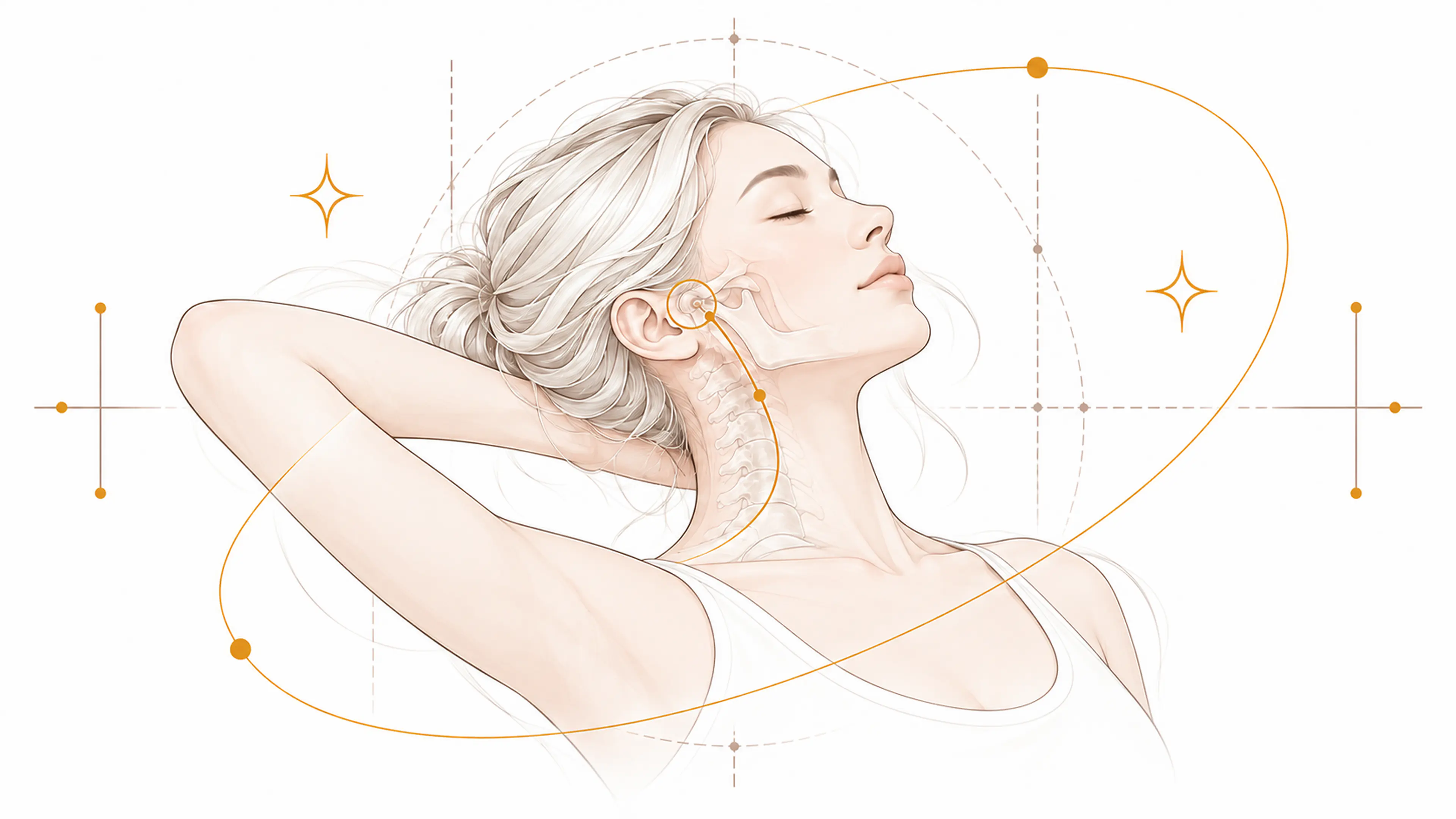
TMJ Disorder and Lifestyle: Can Healthy Habits Reduce Jaw Pain?
Temporomandibular Joint (TMJ) disorder affects the jaw, causing pain and dysfunction in the joint connecting the jawbone to the skull. While it is primarily a structural issue involving the teeth, jaw joints, and muscles, lifestyle factors can significantly influence the severity of symptoms.
In this article, we will explore how healthy habits can help manage TMJ pain and why addressing the underlying structural dysfunction is still essential for long-term relief.
TMJ Disorder: A Structural Problem
At its core, TMJ disorder is a disease of the craniofacial anatomy. This means there is a fundamental issue with how the teeth, jaw joints, and muscles work together. For some, this may involve misaligned teeth, stress on the jaw joints, or issues with the muscles that control jaw movement.
While pain and discomfort may come and go, the underlying structural dysfunction persists, even when there are fewer or no symptoms. TMJ pain is often triggered or worsened by certain activities or habits, which is where lifestyle changes come into play.
How Lifestyle Choices Affect TMJ Symptoms
Although TMJ disorder is a structural issue, lifestyle habits can make a significant difference in how often or how intensely symptoms are experienced. Healthy lifestyle choices can reduce inflammation, stress, and muscle tension — all factors exacerbating TMJ pain. Key lifestyle factors include:
- Diet
- Eating a healthy diet rich in fruits, vegetables, and lean proteins helps the body manage inflammation and stress. By fueling the body with the nutrients it needs, patients can experience fewer flare-ups of TMJ pain.
- On the other hand, consuming unhealthy foods, such as processed items high in sugar or fat, can increase inflammation and lead to more pain.
- Stress Management
- Stress is a known trigger for TMJ pain. Patients who experience high levels of stress are more likely to clench their jaw or grind their teeth (a condition known as bruxism), which worsens TMJ symptoms.
- Managing stress through meditation, yoga, or deep breathing exercises can reduce jaw tension and lead to less pain.
- Exercise
- Regular exercise improves overall physical health and reduces tension and stress. By staying active, patients can relieve muscle tension around the jaw and neck, which helps reduce TMJ symptoms.
- Lack of exercise can increase stress and tension, contributing to more frequent and severe TMJ pain.
Pain Fluctuations: Why Do They Happen?
Many patients with TMJ disorder experience periods of relief followed by painful episodes. These fluctuations are often tied to changes in lifestyle habits. For example:
- A patient may go through a few months of reduced pain while following a healthy routine that includes eating nutritious foods, exercising regularly, and managing stress.
- However, if that same patient becomes overworked or starts neglecting self-care, TMJ pain may return, sometimes more intensely than before.
Understanding these patterns can help patients take a proactive approach to managing their TMJ symptoms.
The Importance of Addressing Structural Dysfunction
While lifestyle changes can help manage TMJ pain, it’s essential to remember that the disorder is primarily a structural issue. Until the underlying structural problem — whether it’s a misaligned bite, jaw joint stress, or muscle imbalance — is addressed, TMJ disorder will remain a chronic condition.
Treatments like orthodontic correction, jaw alignment therapy, or custom orthotic devices may be necessary to resolve the structural issues causing TMJ dysfunction entirely. By combining lifestyle changes with targeted structural treatment, patients can experience more consistent relief and long-term improvement.
Take Control of TMJ Pain with a Holistic Approach to Lasting Relief
Lifestyle changes, including a healthy diet, stress management, and regular exercise, can be vital in managing TMJ symptoms and reducing pain. However, because TMJ disorder is fundamentally a structural issue, addressing the underlying dysfunction is crucial for achieving long-term relief.
By adopting a holistic approach with Dr. Randi Green that includes both lifestyle improvements and structural treatments, patients can take control of their TMJ disorder and improve their quality of life.