

Can TMJ Disorders Cause Facial Asymmetry?

Can TMJ Disorders Cause Facial Asymmetry?
Temporomandibular Joint (TMJ) disorders are often associated with pain, jaw stiffness, and difficulty moving the mouth, but they can also have cosmetic consequences that may worry some patients. One such concern is facial asymmetry, where one side of the face appears different.
TMJ disorders can affect the muscles and alignment of the jaw, leading to uneven muscle tone and structural imbalances. This article explores how TMJ disorders can contribute to facial asymmetry, the underlying causes, and available treatments to address this issue.
Executive Summary
- 🔄 TMJ disorders and facial asymmetry: TMJ disorders can affect the muscles and joints of the face, leading to changes in muscle tone and jaw alignment, which may result in facial asymmetry.
- 🦷 Causes of asymmetry: Chronic muscle tension, uneven tooth wear, and jaw misalignment caused by TMJ disorders can cause one side of the face to appear different from the other.
- 🛠️ Corrective treatments for asymmetry: Conservative treatments such as physiologic orthodontics and dental appliances, custom porcelain restorations like crowns and veneers, physical therapy, and, in severe cases, surgery can help improve jaw alignment and reduce the cosmetic effects of facial asymmetry caused by TMJ disorders.
Insights Based on Numbers
Studies estimate that up to 25% of patients with TMJ disorders experience some degree of facial asymmetry, highlighting the cosmetic impact of chronic jaw dysfunction.
How TMJ Disorders Lead to Facial Asymmetry
The TMJ is a critical joint that facilitates jaw movement, including speaking, chewing, and yawning. When the joint is not functioning correctly, it can cause a ripple effect throughout the muscles and tissues of the face. Over time, this dysfunction can lead to noticeable differences in the appearance of the face, a condition known as facial asymmetry.
Key Ways TMJ Can Cause Facial Asymmetry:
- Chronic muscle tension: TMJ disorders often cause one side of the jaw to become overworked due to imbalanced muscle use. This chronic tension can lead to uneven muscle development, causing one side of the face to appear fuller or more pronounced.
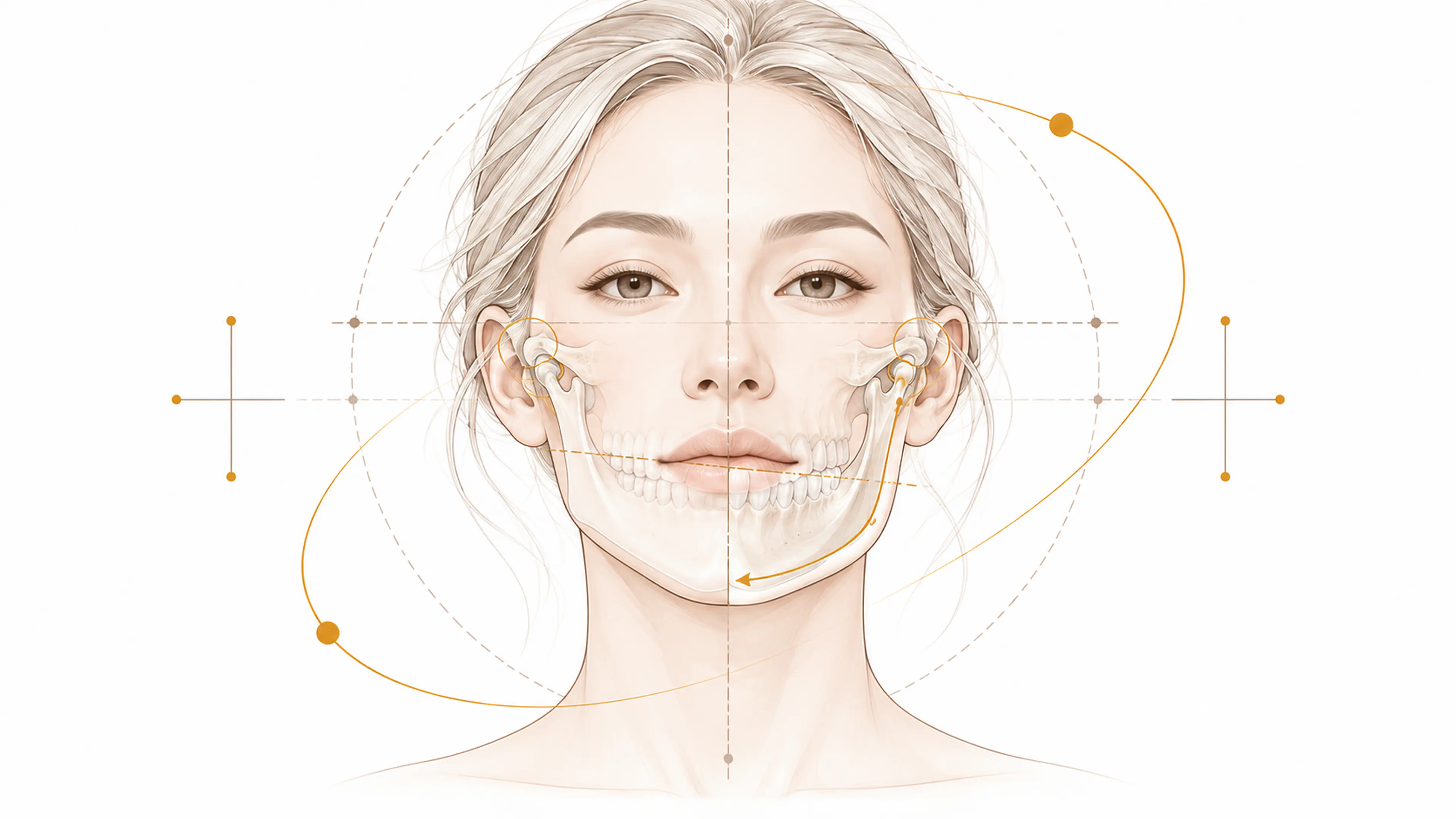
- Jaw misalignment: When the TMJ is not aligned correctly, it can shift the jaw to one side, altering the face's overall symmetry. This can cause the chin to appear off-center or the cheeks to look uneven.
- Teeth wear and bite issues: Uneven wear on the teeth caused by grinding or clenching (bruxism) can lead to an altered bite, which, in turn, affects facial symmetry. A misaligned bite can exacerbate muscle imbalances and further contribute to facial asymmetry.
Causes of Asymmetry in TMJ Patients
Facial asymmetry in individuals with TMJ disorders can stem from various factors, most of which are tied to jaw mechanics. Over time, untreated TMJ disorders can cause lasting changes to facial structure and appearance.
Chronic Muscle Imbalance
TMJ disorders often force one side of the jaw to compensate for dysfunction on the other side. This chronic overuse can lead to enlarged muscles on one side of the face, creating an imbalance in appearance. For example, the masseter muscle (responsible for chewing) may become more prominent on one side, resulting in facial asymmetry.
Jaw Displacement
In some cases, TMJ disorders can cause the jaw to shift out of alignment. This displacement may make the face appear uneven, with one side looking lower or more slanted than the other. Jaw displacement can also affect the position of the chin, leading to an off-centered appearance.
Teeth Grinding (Bruxism)
Teeth grinding, a common symptom of TMJ disorders, can wear down the teeth unevenly. Over time, this uneven wear changes the bite and can alter the jaw's alignment. The facial structure may shift as the jaw adjusts to the new bite, causing asymmetry.
Corrective Treatments for TMJ-Related Facial Asymmetry
For patients concerned about the cosmetic effects of TMJ disorders, there are several treatments available that can help improve facial symmetry. These treatments address the underlying causes of TMJ dysfunction, such as muscle tension, jaw misalignment, and bite problems.
Physiologic Orthodontic Treatments
If misalignment of the teeth or jaw contributes to facial asymmetry, orthodontic treatment may be required to correct the problem. Braces or clear aligners can help realign the bite and improve the face's overall symmetry. In some cases, orthodontics may be combined with other TMJ treatments to achieve the best results.
Physiologic Dental Appliances (Orthotics)
Dental appliances, such as custom-made orthotics, can help alleviate the pressure on the TMJ by repositioning the jaw into a more balanced position. These devices are often worn during waking hours and at night to prevent teeth grinding and promote proper jaw alignment during sleep, which helps reduce muscle tension and prevent further asymmetry.
Physical Therapy
Physical therapy can play an essential role in reducing muscle imbalance and tension caused by TMJ disorders. Specific exercises and stretches can help relax the overworked muscles, improve joint mobility, and restore balance to the facial muscles. Regular physical therapy sessions may help gradually reduce the appearance of asymmetry.
Botox Injections
In cases where muscle overdevelopment has caused facial asymmetry, Botox injections can relax the overactive muscles and restore balance to the face. Botox works by temporarily paralyzing the muscles responsible for clenching or grinding, which helps reduce their prominence over time.
Surgical Options
For severe cases of facial asymmetry caused by TMJ disorders, surgery may be necessary to correct jaw misalignment. Surgical options include procedures to realign the jawbones or reposition the TMJ. Surgery is typically reserved for cases where non-invasive treatments are ineffective or the asymmetry is due to a more extreme structural issue.
Preventing Facial Asymmetry in TMJ Patients
While TMJ-related facial asymmetry can be treated, it is always better to prevent it from occurring in the first place. Here are some preventive measures that can help manage TMJ symptoms and avoid the development of facial asymmetry:
- Manage stress: Since stress can trigger jaw clenching and teeth grinding, practicing stress management techniques like meditation and relaxation exercises can help reduce tension in the jaw and prevent muscle imbalance.
- Wear a night appliance: If you grind your teeth at night, wearing a custom-measured and fitted night guard can help protect the TMJ and prevent uneven wear on the teeth.
- Stay aware of posture: Poor posture, particularly forward head posture, can strain the jaw muscles and lead to TMJ issues. Maintaining good posture can help reduce jaw tension and prevent facial asymmetry.
Ask the Dentist
- How does chronic muscle tension from TMJ affect facial symmetry?
- What orthodontic treatments can help improve facial asymmetry caused by TMJ disorders?
- How can physical therapy reduce muscle imbalance and correct facial asymmetry?
Correcting Facial Asymmetry Caused by TMJ Disorders
TMJ disorders can contribute to facial asymmetry, particularly if they lead to chronic muscle tension, jaw misalignment, or uneven teeth wear. Fortunately, several corrective treatments are available to improve jaw alignment and reduce the cosmetic effects of asymmetry. Whether through orthodontics, dental appliances, physical therapy, or surgery, patients have a range of options to address both the functional and aesthetic issues associated with TMJ disorders.
If you are concerned about facial asymmetry, consult with Dr. Randi a Green, your local expert dentist specializing in TMJ, to explore your treatment options.