

Can TMJ Disorders Cause Migraines?

Can TMJ Disorders Lead to Migraines?
Temporomandibular Joint (TMJ) disorders are known to cause jaw pain and discomfort, but they can also trigger other symptoms, such as chronic headaches and migraines. Many individuals who suffer from TMJ disorders report frequent migraines, which are often linked to jaw misalignment and muscle tension in the head, neck, and jaw area.
Understanding the connection between TMJ disorders and migraines is crucial for effective treatment and relief. This article explores how TMJ dysfunction can lead to migraines and provides insight into treatment options that address both conditions.
The Connection Between TMJ Disorders and Migraines
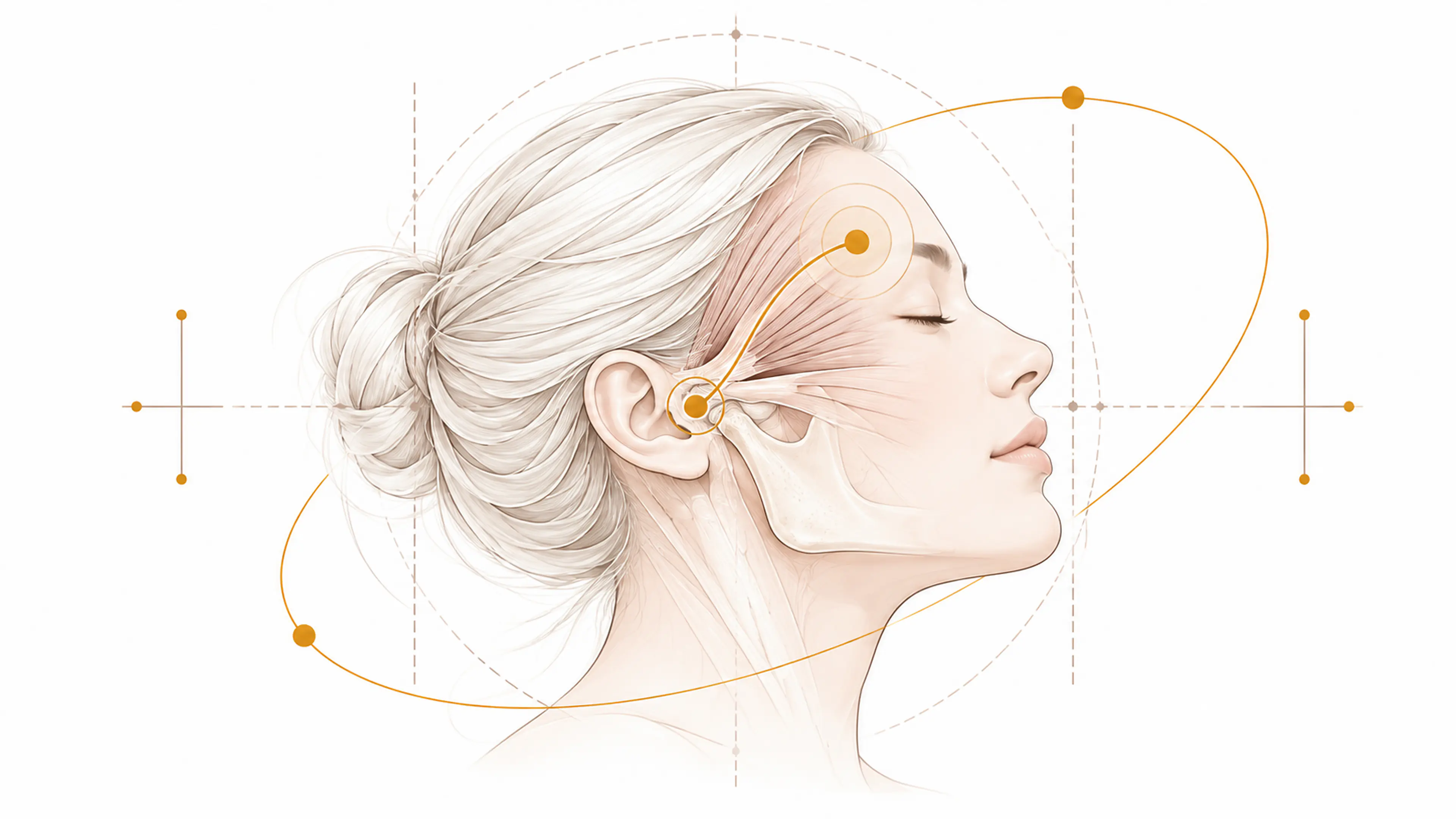
TMJ disorders affect the jaw joint and the muscles that control jaw movement. When the TMJ is not functioning correctly, it can cause muscle tension and nerve irritation in the surrounding areas, triggering migraines. The pain from TMJ-related migraines is often felt not only in the jaw but also in the temples, forehead, or behind the eyes.
How Jaw Misalignment Contributes to Migraines:
- Muscle strain: TMJ disorders often cause uneven pressure on the jaw, leading to muscle strain in the jaw, neck, and head. As the muscles become fatigued, this strain can create tension headaches or migraines.
- Nerve irritation: TMJ dysfunction can irritate the trigeminal nerve, which is responsible for sensation in the face and jaw. This nerve plays a role in both jaw movement and migraine pain and when it becomes overstimulated, it can lead to migraine episodes.
Nerve Involvement and Migraines
One key factor linking TMJ disorders to migraines is the involvement of the trigeminal nerve. This nerve has three main branches that control sensation in the face, including the jaw and forehead, and it is often implicated in migraine pain. When the trigeminal nerve becomes irritated due to TMJ dysfunction, it can trigger intense and long-lasting migraine-like headaches.
The Role of the Trigeminal Nerve:
- Jaw and facial movement: The trigeminal nerve controls the muscles used for chewing and jaw movement. When these muscles become strained due to TMJ issues, the nerve can become irritated, leading to headaches.
- Pain transmission: The trigeminal nerve also transmits pain signals to the brain. When this nerve is overstimulated by TMJ dysfunction, it can result in migraines or severe headaches.
Symptoms of TMJ-Related Migraines
Patients experiencing migraines triggered by TMJ disorders often report a specific set of symptoms. Understanding these symptoms can help individuals identify whether their migraines are linked to jaw dysfunction and seek appropriate treatment.
Common Symptoms Include:
- Jaw pain and stiffness: Jaw pain, particularly in the TMJ area, is a hallmark of TMJ disorders and often accompanies migraines.
- Headaches in the temples: Migraines related to TMJ dysfunction are frequently felt in the temples or around the ears, where the jaw muscles are located.
- Facial pain: Some individuals may experience pain that radiates from the jaw to other parts of the face, contributing to migraine symptoms.
- Neck and shoulder tension: TMJ disorders often cause muscle tension in the neck and shoulders, which can contribute to headaches and migraines.
Treatment Options for TMJ-Related Migraines
Effective treatment for TMJ-related migraines involves addressing both the TMJ dysfunction and the migraine symptoms. A combination of dental and medical treatments can help reduce jaw pain and muscle tension while also providing relief from migraines.
Oral Appliances
One of the most common treatments for TMJ disorders is the use of custom-made oral appliances, such as splints or night guards. These devices help realign the jaw, reduce clenching and grinding, and relieve muscle tension, which can help prevent migraines.
- Physiologic dental appliances: Worn during waking hours and at night. These appliances prevent teeth grinding (bruxism) and help the jaw maintain a more relaxed position during sleep, reducing strain on the muscles and nerves.
Physical Therapy
Physical therapy is a valuable treatment option for both TMJ disorders and migraines. A physical therapist can teach patients exercises that improve jaw function, reduce muscle tension, and alleviate strain in the head and neck.
- Jaw exercises: Stretching and strengthening exercises can improve the jaw's mobility and reduce tension in the surrounding muscles.
- Massage and relaxation techniques: Techniques targeting the neck, shoulders, and jaw can help alleviate muscle tightness, contributing to TMJ pain and migraines.
Medications
In some more extreme cases, medication may be necessary to manage the pain and inflammation associated with TMJ-related migraines.
- Anti-inflammatory drugs: Over-the-counter or prescription anti-inflammatory medications can help reduce inflammation in the TMJ and surrounding muscles, relieving headache pain.
- Muscle relaxants: These may be prescribed to help ease muscle tension, which contributes to jaw pain and migraines.
- Botox injections: In severe cases, Botox can relax the muscles in the jaw and head, reducing tension and preventing migraines for short-term relief.
Stress Management
Since stress can trigger both TMJ flare-ups and migraines, stress management techniques are essential for preventing and managing symptoms. Practicing relaxation techniques, such as deep breathing, meditation, or yoga, can help reduce the frequency and intensity of TMJ-related migraines.
Ask the Dentist
- How does the trigeminal nerve play a role in TMJ pain and migraines?
- What are the best treatments for managing migraines caused by TMJ disorders?
- How can jaw exercises or physical therapy reduce the frequency of TMJ-related migraines?
Recognizing When to Seek TMJ HeadacheTreatment
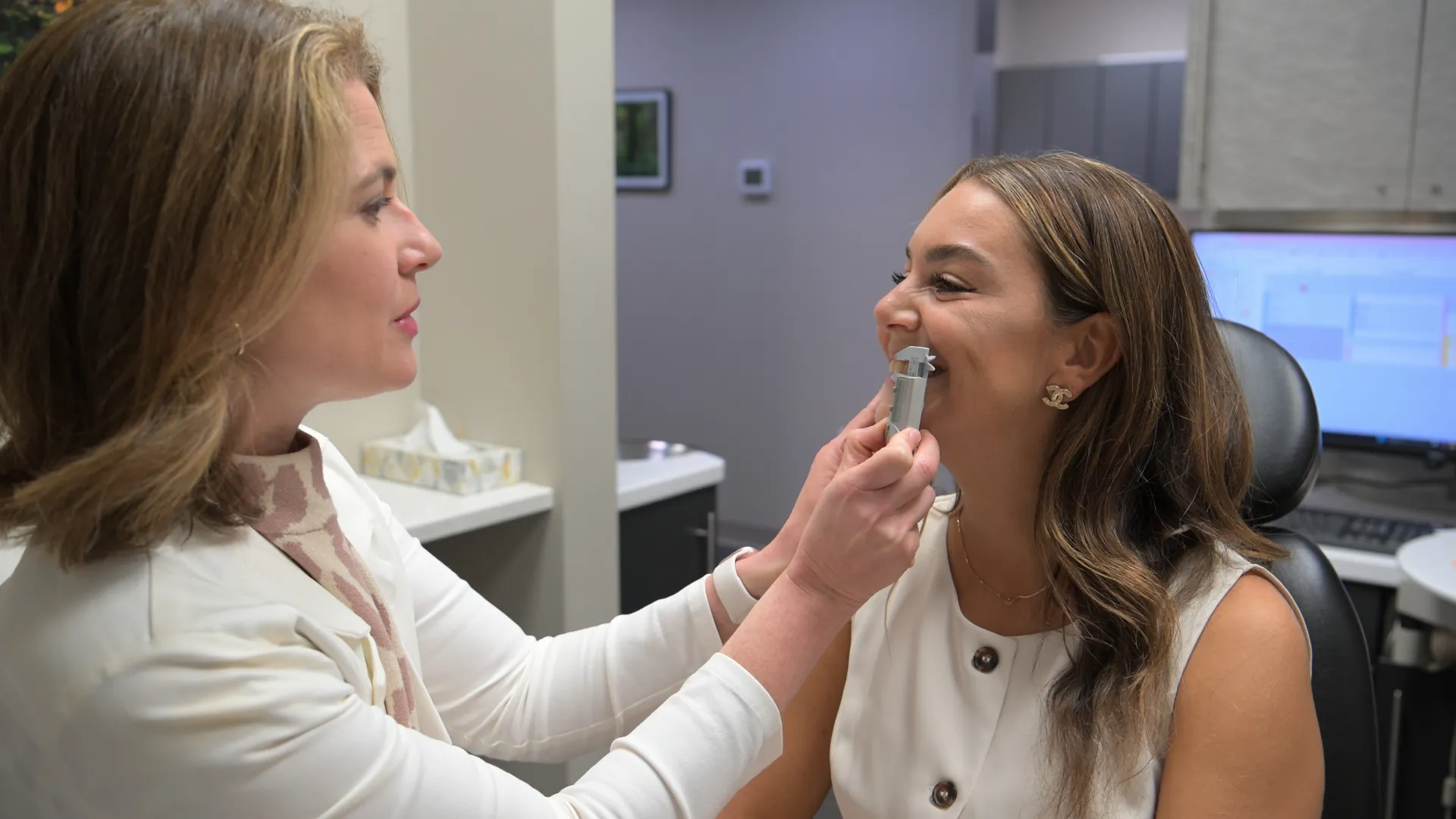
If you suffer from migraines and have been diagnosed with a TMJ disorder, or if you suspect that your jaw issues may be contributing to your headaches, it's essential to seek professional treatment. Dr. Randi Green, specializing in TMJ disorders in Springfield, Missouri, can help diagnose the connection between your jaw and migraines and recommend the best treatment options for relief.
Relieving Migraines by Addressing TMJ Disorders
TMJ disorders can indeed lead to migraines, as muscle tension, jaw misalignment, and nerve irritation are all contributing factors. The trigeminal nerve, which controls jaw movement and facial sensation, significantly develops TMJ-related migraines.
By addressing the underlying TMJ dysfunction with treatments such as oral appliances, physical therapy, medication, and stress management, patients can experience relief from both jaw pain and migraines. If you suffer from chronic migraines and suspect your TMJ disorder may be the cause, consult a healthcare professional and dental expert like Dr. Green to explore your migraine headache treatment options.