

Can TMJ Pain Result from an Accident or Dental Procedure?

Can TMJ Pain Result from an Accident or Dental Appointment?
TMJ (Temporomandibular Joint) pain can arise from various causes, often surprising patients who wonder why they experience discomfort while others do not. One common question is whether TMJ dysfunction can result from traumatic events like accidents or dental procedures.
The answer is yes—TMJ pain can be triggered by a variety of trauma-related incidents that impact the jaw or neck. This article will explore how accidents, dental work, and injuries can contribute to TMJ problems.
How Accidents Can Lead to TMJ Dysfunction
A traumatic event, such as a car accident, can easily lead to TMJ pain. For example:
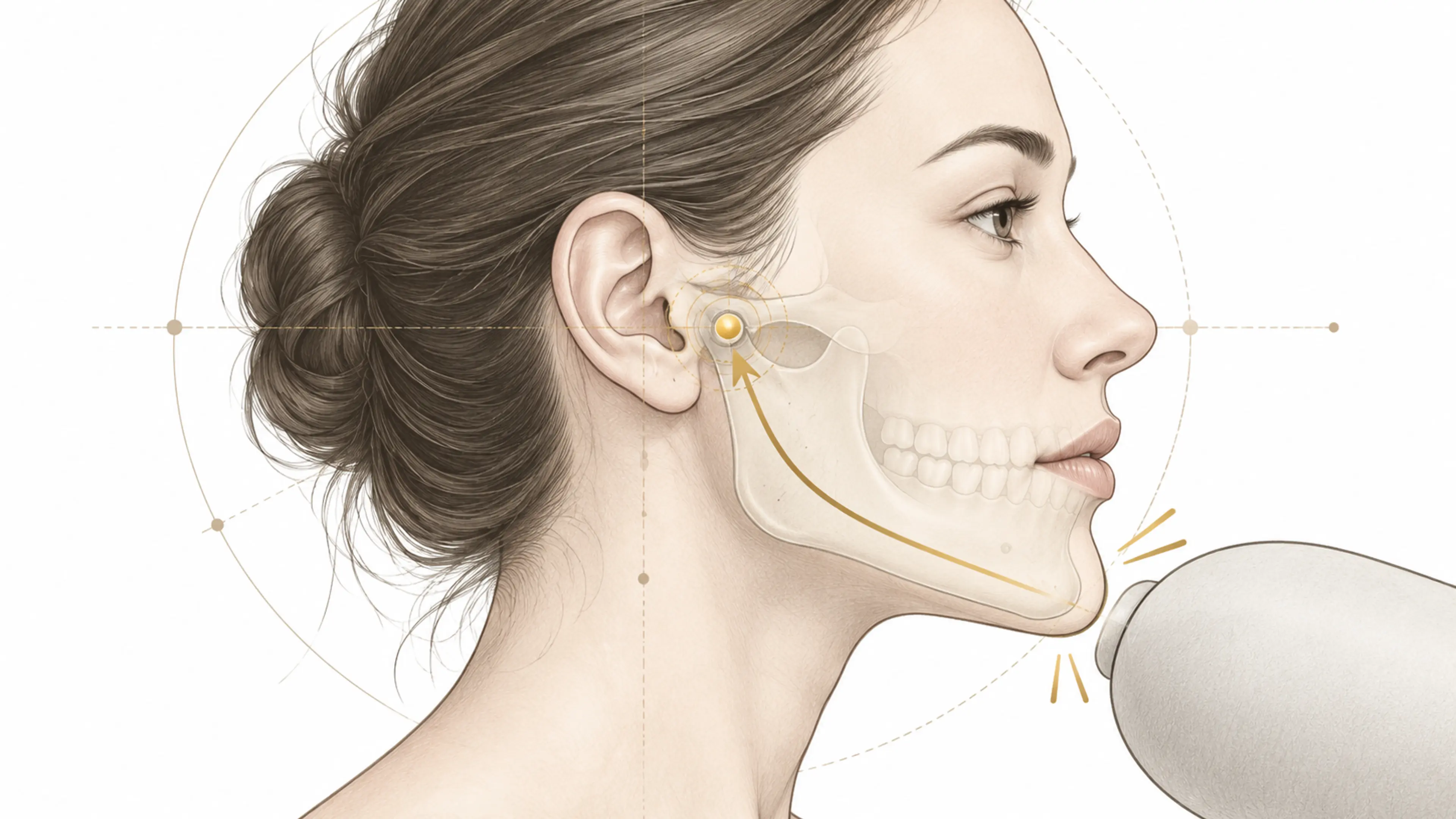
- Whiplash: In rear-end collisions, whiplash is a common injury where the neck is jerked forward and backward rapidly. This sudden motion can strain the temporomandibular joint, leading to pain, stiffness, and dysfunction.
- Side Blows: Any direct impact to the head or jaw, such as from a fall or a sports injury, can disturb the alignment of the TMJ or cause damage to the muscles and ligaments supporting the jaw.
These types of injuries often go unnoticed at first, with symptoms of TMJ dysfunction appearing weeks or even months after the incident. TMJ pain from trauma may manifest as jaw clicking, pain when chewing, limited jaw movement, or even headaches and neck pain.
Dental Appointments and TMJ Pain
Dental procedures and exceptionally long appointments can also contribute to TMJ pain. If a patient’s jaw is held open for an extended period during a procedure, the joint can become overstressed, leading to:
- Jaw muscle strain: Holding the mouth open for an extended time can overwork the muscles connected to the TMJ, leading to discomfort.
- Joint overstretching: For procedures like extractions or dental restorations, the TMJ may be overstretched, causing irritation or injury to the joint.
- Post-procedure pain: Some patients experience jaw stiffness or pain following lengthy dental appointments, particularly if they already have underlying TMJ issues or an improper bite alignment.
Injuries That Can Cause TMJ Dysfunction
Besides car accidents and dental work, other types of injuries can also lead to TMJ problems:
- Neck injuries: Trauma to the neck, such as from a fall, blow, or sports injury, can affect the muscles and ligaments that support the TMJ, leading to pain and dysfunction.
- Head trauma: Any impact to the head or face can potentially disturb the alignment of the TMJ, causing issues that may persist if not treated.
Why Some People Develop TMJ Pain While Others Don’t
It’s common for patients to wonder why they’ve developed TMJ pain while others, such as family members, haven’t. The reality is that individual anatomy and lifestyle factors play a role in TMJ susceptibility. Some people may have:
- A more sensitive jaw alignment makes them prone to TMJ dysfunction.
- Pre-existing conditions like arthritis or stress-related teeth grinding (bruxism), can exacerbate the effects of trauma.
- A genetic predisposition to TMJ problems makes them more likely to develop pain following an injury.
How Trauma Can Lead to TMJ Issues and Why Early Treatment is Essential
Traumatic events like car accidents, whiplash, and certain dental procedures can contribute to or worsen TMJ dysfunction. If you've noticed jaw pain following an accident or dental work, consulting Dr. Randi Green, your local TMJ expert, promptly can help diagnose and manage the issue effectively. Early treatment is crucial to alleviate symptoms and prevent long-term complications. Seeking an evaluation ensures your temporomandibular joint (TMJ) receives the care it needs to support your overall jaw health.