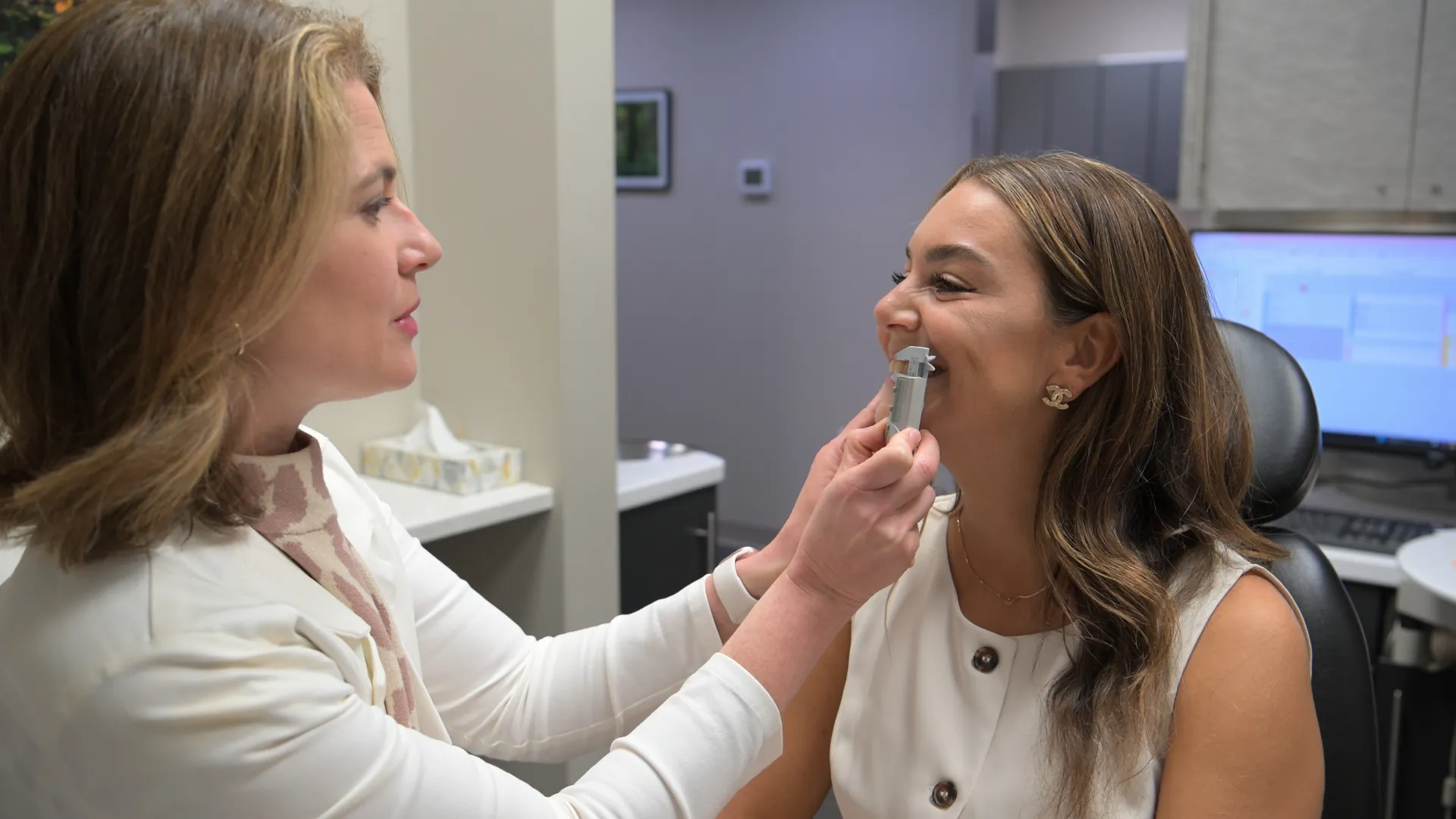


Can TMJ Pain Go Away on its Own?

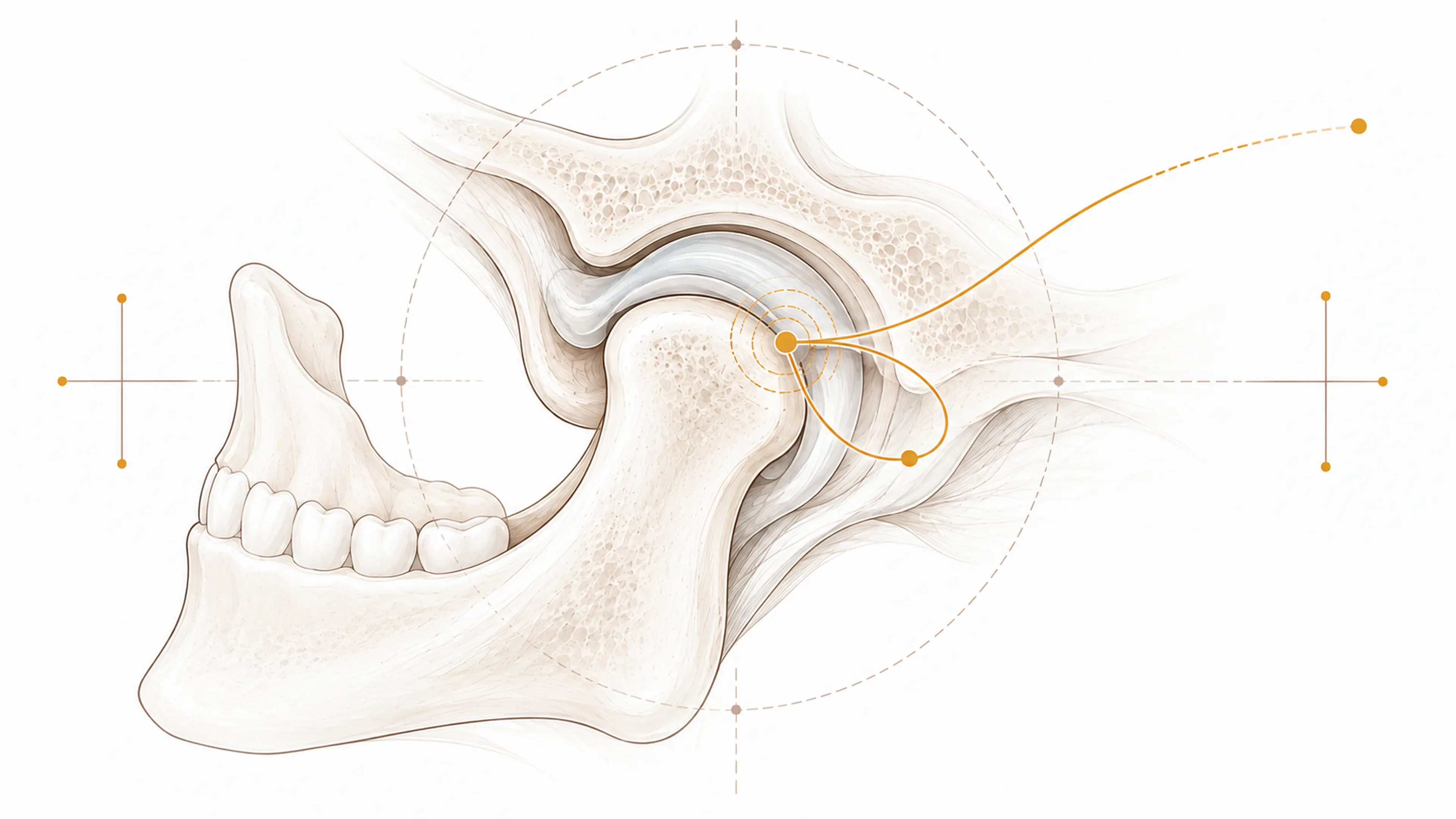
Can TMJ Pain Resolve Without Treatment? Here’s What You Need to Know
Temporomandibular Joint Disorder, or TMJ, is a condition that causes pain in the jaw joint and surrounding muscles. Many patients suffering from TMJ pain often ask whether the pain can go away on its own without treatment.
While TMJ pain can subside over time, it's essential to understand that even if the pain goes away, the underlying dysfunction may still be present. This article explores why addressing the root cause of TMJ pain is crucial for long-term relief and avoiding future complications.
Why Waiting for TMJ Pain to Go Away Can Lead to Bigger Problems
In some cases, patients may experience relief from TMJ pain after a few months. The body can adapt to certain conditions, and the pain may lessen or disappear temporarily.
However, TMJ dysfunction often remains, even when the pain has subsided. This dysfunction can include issues with jaw alignment, muscle tension, or problems with how the teeth come together.
It's essential to realize that while pain may fade, the underlying cause of the dysfunction could still be present, which may lead to recurring pain or even more severe symptoms in the future. This reoccurrence is why it's crucial to address the root cause of the TMJ disorder rather than just waiting for the pain to go away on its own.

Pain as a Warning Signal: The Check Engine Light Analogy
Pain is the body's way of signaling that something is wrong. Ignoring TMJ pain is like ignoring a check engine light in your car. Just as a mechanic needs to investigate the cause of the light to fix the issue, a healthcare provider needs to evaluate and treat the cause of TMJ pain.
If TMJ pain is left untreated, the dysfunction causing the pain will likely persist, and the problem could worsen over time. For example, muscle tension, jaw misalignment, or bite issues may lead to chronic pain episodes, more intense flare-ups, or even damage to the temporomandibular joint.
Why Treating the Root Cause is Important
Even if the pain subsides, it's essential to have a proper diagnosis to determine the root cause of the dysfunction. Common causes of TMJ disorder include:
- Misaligned bite: When the teeth do not fit together correctly, it can put extra stress on the jaw joint.
- Jaw muscle tension: Tight muscles around the jaw can cause pain and limit movement.
- Teeth grinding or clenching (bruxism): This habit can wear down teeth and strain the jaw, leading to TMJ pain.
By treating the root cause, patients can prevent future episodes of pain and reduce the risk of more severe TMJ-related complications. Treatment may include orthodontic adjustments, jaw exercises, physical therapy, or custom orthotic devices to align the jaw and alleviate strain on the joint.
Can TMJ pain decline without treatment?
Yes, TMJ pain can worsen without treatment. If the underlying dysfunction causing the pain—such as jaw misalignment, muscle tension, or teeth grinding—is not addressed, it can lead to more severe issues. Here are several reasons why untreated TMJ pain might worsen:
Increased Muscle Tension
Without treatment, the muscles around the jaw may continue to tighten, leading to increased pain, limited jaw movement, and even chronic muscle fatigue.
Joint Damage
Continuous stress on the temporomandibular joint can cause wear and tear, potentially leading to joint deterioration or more severe conditions like arthritis.
More Frequent Pain Episodes
Ignoring TMJ pain can result in more frequent and intense flare-ups, affecting your daily life, such as difficulty chewing, speaking, or yawning without pain.
Headaches and Ear Pain
Untreated TMJ issues often lead to associated symptoms like chronic headaches, earaches, and a sense of pressure in the ears due to the strain on the surrounding muscles and nerves.
The length of TMJ treatment can vary depending on the severity of the condition and the type of treatment used. Here's a general timeline for different TMJ treatment approaches:
TMD Treatment Timelines

Orthotic Therapy with TENS
Duration: 3 to 6 months, as needed
Details: A custom-made orthotic device worn on the lower teeth helps realign the jaw and reduce muscle tension. Most patients begin to experience relief within a few weeks, some even with days, but the entire course of therapy may take several months to stabilize the jaw.
Physical Therapy
(Sometimes used in conjunction with Orthotic therapy)
Duration: 4 to 8 weeks, as needed
Details: Regular physical therapy exercises strengthen the jaw muscles and improve movement. Patients typically attend weekly sessions and practice exercises at home for optimal results.
Adjunct Pain Reducing Therapies
Duration: As needed
Details: Ultrasound to break up inflammation, red light laser to pin point painful areas with targeted relief
Orthodontic Treatment
Duration: 1 to 2 years
Details: For more severe misalignment, braces or clear aligners may be used to correct the bite and alleviate TMJ symptoms. This treatment tends to take longer but offers a more permanent solution.
Medication (e.g., Tramadol)
Duration: Temporary relief, intermittent use
Details: Medications like Tramadol offer short-term relief by relaxing muscles, but long-term use risks side effects like dependency, fatigue, and digestive issues. These drugs treat symptoms, not the underlying cause, making them a less optimal, temporary solution.
Injection Therapy (e.g., BOTOX)
Duration: Every 3-6 months, indefinitely
Details: BOTOX can ease pain by weakening jaw muscles, but results are temporary, requiring repeat injections. This option doesn’t address the root of TMJ issues, making it a costly, ongoing approach rather than a lasting solution.
Surgical Treatment
Duration: Several months to years (including recovery).
Details: Jaw surgery is typically a last resort for TMJ disorders. Recovery time can be longer, depending on the complexity of the procedure, and physical therapy may be required post-surgery.
Why Ignoring TMJ Pain Isn’t Worth the Risk
While TMJ pain may go away on its own in some cases, the underlying dysfunction that caused the pain often remains. Ignoring TMJ pain is risky, as it can lead to recurring or worsening symptoms in the future.
Addressing the root cause of TMJ disorder with the help of an expert, like Dr. Randi Green is the best way to ensure long-term relief and prevent further complications.
If you are experiencing TMJ pain, it's essential to consult a highly-trained dentist to determine the underlying cause and receive the appropriate treatment to avoid future issues. Don't ignore the "check engine light" — take action to maintain your long-term health.