

Is Popping and Clicking of the TMJ Joint Normal?

Is Popping and Clicking of the TMJ Joint Normal?
The Temporomandibular Joint (TMJ) is essential for primary jaw functions such as speaking, chewing, and yawning. However, many people experience popping or clicking in this joint and wonder if it's something to be concerned about. While the sound may not initially cause pain, it is not considered normal and often indicates underlying issues in the joint.
This article will explain why popping and clicking in the TMJ is a sign of dysfunction, the potential consequences of ignoring it, and why you should seek a professional evaluation if you experience these symptoms.
Why Popping and Clicking Are Not Normal
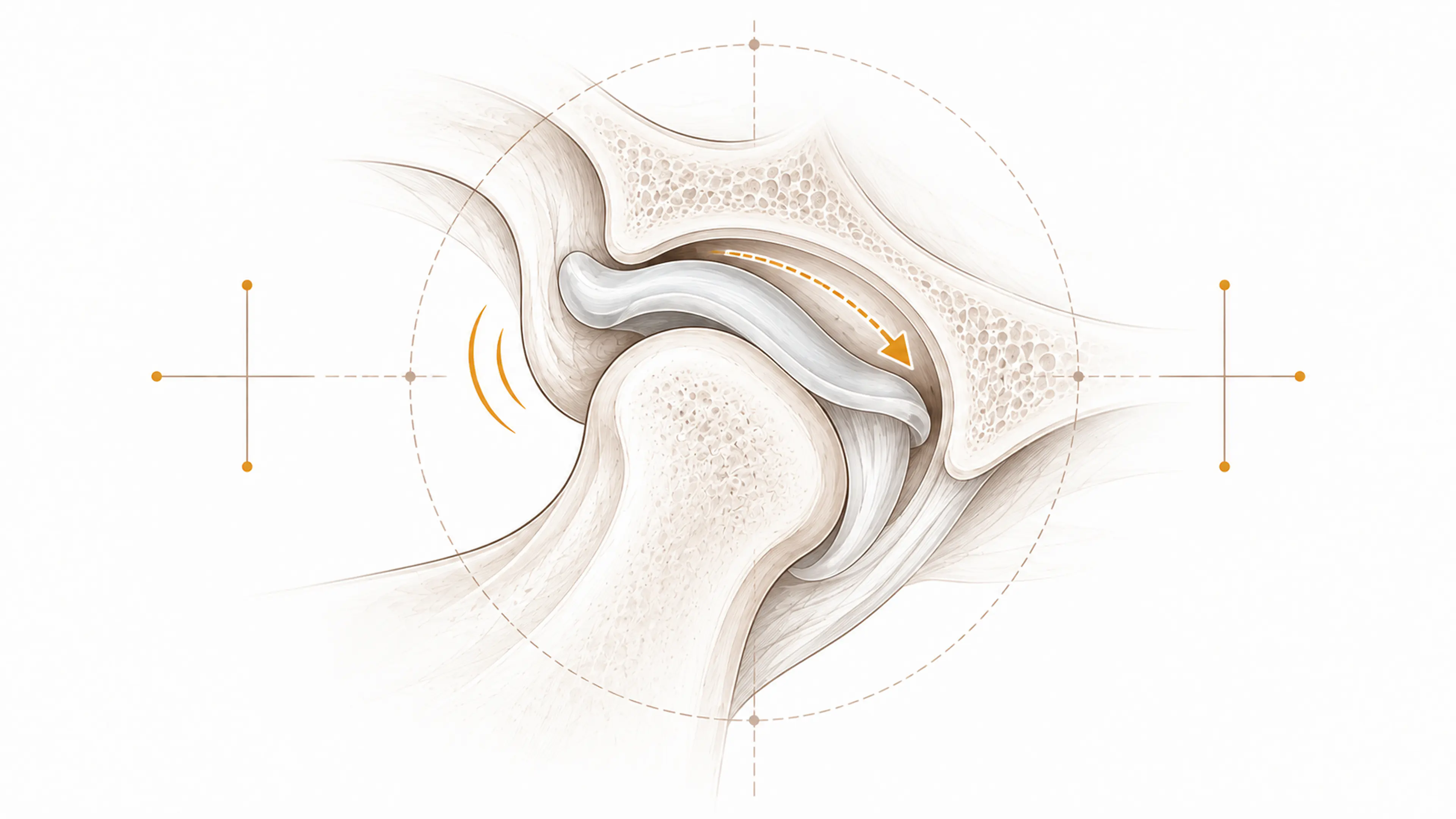
In a healthy TMJ, the joint operates smoothly, allowing the head of the joint to move within its socket without friction. A soft tissue disc sits between the bones, cushioning and facilitating movement. When a person hears popping or clicking in their TMJ, this typically means that the soft tissue disc is not moving as it should.
Instead of staying aligned with the joint, the disc is moving out of place, causing the joint to move improperly.
The TMJ joint should not produce any noise. If you hear popping or clicking, it's a sign that something is wrong — even if it isn't accompanied by pain yet.
High-Velocity Injury to the Joint
Repeated popping or clicking sounds are more than just a minor annoyance; they represent a high-velocity injury to the TMJ joint. The soft tissue disc is not traveling correctly with the joint's head, and as the jaw moves, the disc shifts in and out of place, causing the popping sound.
Over time, this repeated injury can lead to severe damage to the joint, much like repeatedly striking a sensitive area. If left untreated, the constant strain can eventually wear down the disc, leading to more severe problems such as joint degradation, increased pain, or even the loss of joint function.
The Pothole Analogy
To better understand the consequences of ignoring TMJ popping, think of it like driving over a pothole repeatedly. If you hit the same pothole every day on your commute, the damage to your tire will accumulate over time.
Eventually, the tire will give out and blow due to the constant strain. The same is true for your TMJ joint. If you continue to hear popping and clicking without addressing the underlying issue, the joint will wear down, potentially leading to irreversible damage.
Potential Consequences of Untreated TMJ Popping
- Joint Degradation: Constant popping can wear down the disc, leading to loss of function in the joint.
- Increased Pain: While popping and clicking may not be painful at first, the wear and tear on the joint can eventually lead to chronic pain.
- Joint Dysfunction: If the disc becomes too damaged, the TMJ may stop functioning correctly, making it difficult to open and close your mouth or chew comfortably.
If you're concerned about TMJ sounds or joint pain, don't wait until the damage is irreversible. Seek a consultation with Dr. Green to protect your joint health and prevent long-term complications.
What causes TMJ clicking to start?
TMJ clicking can start due to issues with the alignment or function of the temporomandibular joint (TMJ). Here are the common causes:
- Disc Displacement
- The soft tissue disc inside the TMJ can move out of its normal position between the jawbone and the skull. The joint clicks or pops during movement when this disc dislocates or shifts.
- Jaw Misalignment
- A misaligned bite or improper jaw alignment can strain the TMJ, causing the joint to move abnormally and produce clicking sounds.
- Teeth Grinding (Bruxism)
- Chronic teeth grinding or clenching can place excessive stress on the TMJ, leading to inflammation and disc displacement, which can result in clicking
- Arthritis
- Arthritis in the TMJ can damage the cartilage, reduce joint flexibility, and cause clicking or popping sounds as the joint moves.
- Trauma or Injury
- A jaw injury or trauma, such as a blow to the face, can misalign the TMJ or damage the disc, leading to clicking.
If TMJ clicking persists, it's essential to consult a professional and TMJ expert like Dr. Randi Green to identify and prevent further joint damage.
Why You Shouldn't Ignore Popping and Clicking in Your TMJ Joint
Popping and clicking in the TMJ joint are abnormal signs of underlying dysfunction. Ignoring these sounds can lead to long-term damage and chronic pain. If you are experiencing popping or clicking in your jaw joint, it is essential to consult with a TMJ dental expert like Dr. Randi Green for a proper evaluation and treatment plan. Early intervention can prevent further joint degradation and help restore healthy jaw function.