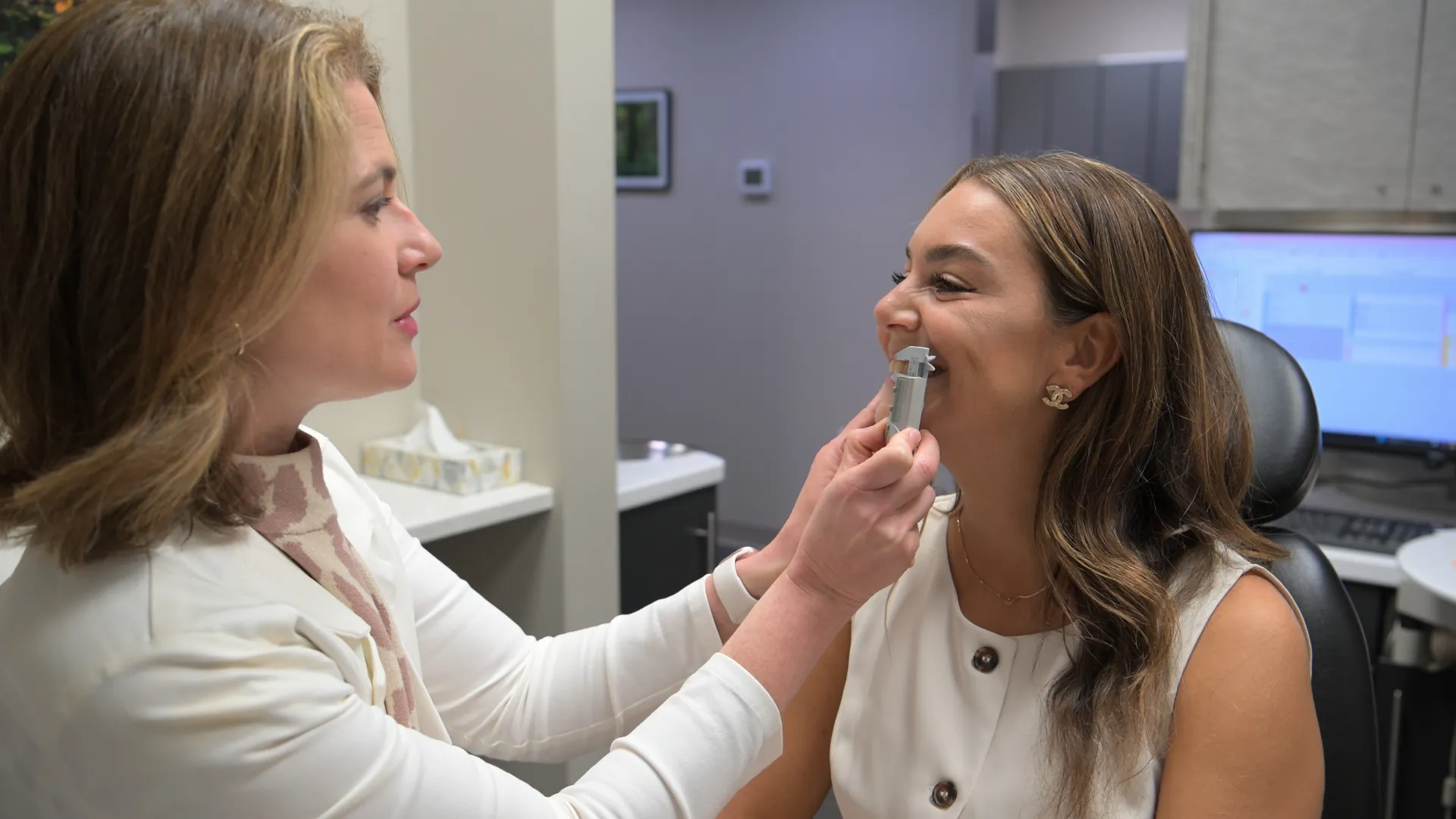


Why Some TMJ Patients Experience Painful Swallowing & How to Find Relief

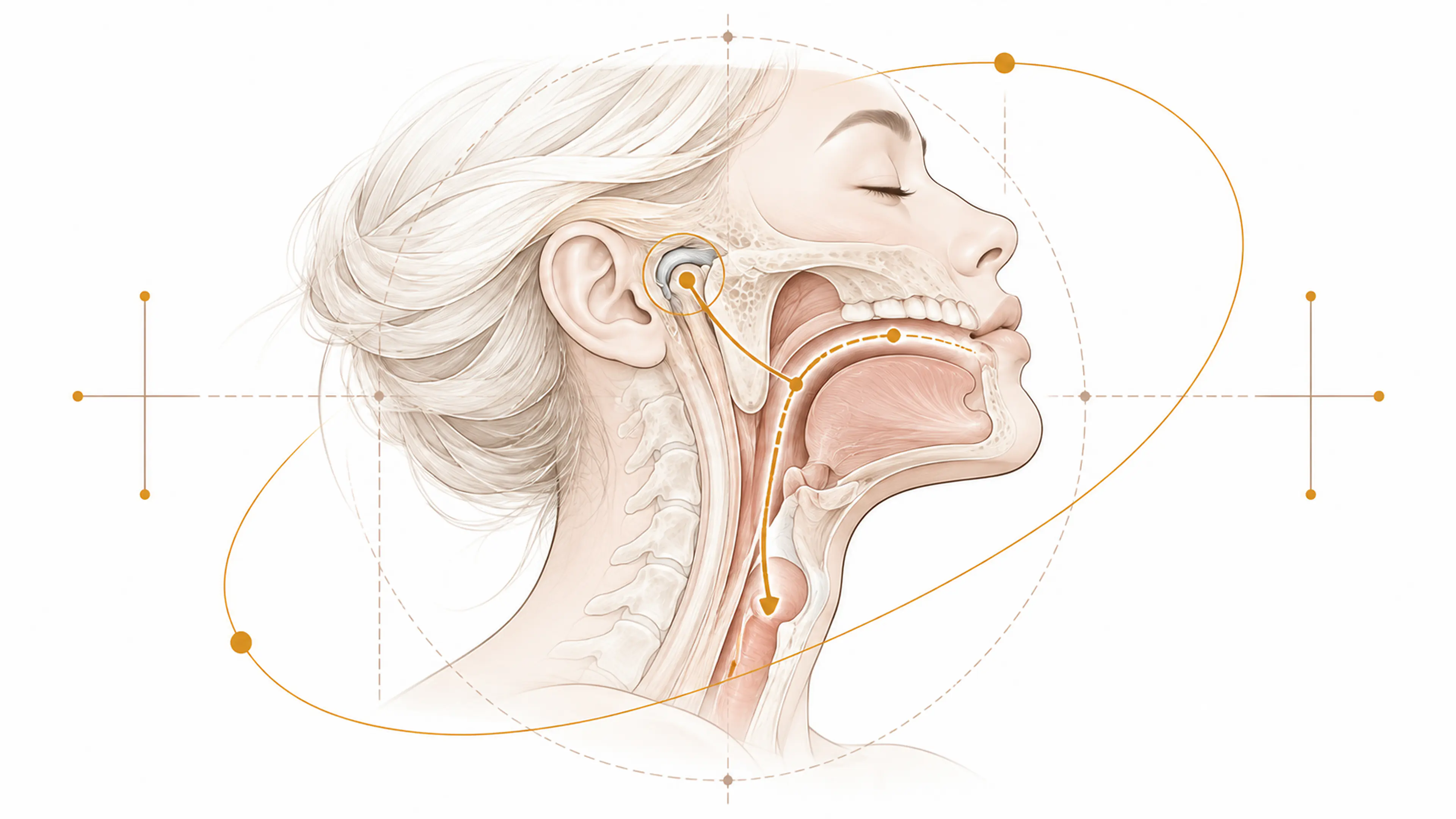
Why It's Painful to Swallow for Some TMJ Patients
Temporomandibular Joint (TMJ) disorders are commonly associated with jaw pain, headaches, and difficulty chewing, but for some patients, they can also lead to painful swallowing, known as odynophagia. This symptom arises when muscle tension, often referred to as trigger points, develops in the muscles around the jaw, neck, and head.
These trigger points can affect the TMJ, making swallowing uncomfortable or painful. This article explores why TMJ disorders can cause pain when swallowing and offers strategies for alleviating this symptom.
How TMJ Disorders Cause Pain When Swallowing
TMJ-related swallowing pain is usually the result of muscle tension in the head, neck, and jaw areas. When the muscles around the TMJ become tense or develop trigger points, they can interfere with the normal functioning of the jaw and the muscles involved in swallowing.
Key Ways TMJ Contributes to Swallowing Pain:
- Trigger points in jaw and neck muscles: Trigger points, or "knots" of muscle tension, can develop in the muscles surrounding the TMJ. These trigger points can radiate pain to other areas, including the muscles used in swallowing.
- Muscle tension spreading: The muscles responsible for jaw movement are closely connected to the muscles involved in swallowing. When TMJ-related tension spreads to these muscles, swallowing can become painful or difficult.
- Jaw misalignment: TMJ dysfunction may cause the jaw to misalign, making it harder for the muscles in the throat and esophagus to work correctly during swallowing.
Symptoms of TMJ-Related Swallowing Pain
Patients experiencing painful swallowing due to TMJ disorders may notice a variety of related symptoms, which can affect their overall comfort and ability to eat or speak normally.
Common Symptoms Include:
- Pain when swallowing: A sharp or aching pain felt when eating, which may be worse after talking, chewing, or yawning.
- Jaw and neck discomfort: Pain or tightness in the jaw or neck radiating to the throat, making swallowing uncomfortable.
- Difficulty swallowing: Feeling like food or liquids are "stuck" in the throat or experiencing hesitation when swallowing.
Managing TMJ-Related Swallowing Pain
Fortunately, several nonsurgical treatment options are available to help manage swallowing pain caused by TMJ disorders. These treatments focus on reducing muscle tension, improving jaw alignment, and relieving trigger points that contribute to the discomfort.
The Science Behind Breaking Up Inflammation with Ultrasound and Red Light Laser Therapy
Ultrasound Therapy
Ultrasound and red light laser therapy are two non-invasive treatments commonly used to reduce inflammation and promote healing in TMJ disorders. Ultrasound therapy works by using sound waves to penetrate deep into the tissues, creating a gentle heat that improves blood circulation and breaks up muscle tension and inflammation. This helps relax tight muscles around the TMJ, reducing pain and swelling.
Red light laser therapy, on the other hand, uses low-level light energy to stimulate cellular regeneration and repair. This therapy increases cellular metabolism and circulation, reducing inflammation in the affected muscles and joints.
Both therapies are effective for patients seeking to relieve TMJ-related pain and inflammation without surgery, making them valuable tools in the management of TMJ symptoms, including painful swallowing.
Physical Therapy and Trigger Point Release
Physical therapy can be highly effective in managing muscle tension and releasing trigger points that contribute to TMJ-related pain when swallowing. A physical therapist can help identify areas of muscle tightness and provide exercises or manual therapy techniques to alleviate tension.
- Trigger point release: Trigger point release therapy involves applying pressure to specific areas of muscle tension to help relax the muscles and reduce pain. This technique can help relieve swallowing pain by targeting the muscles involved in jaw movement.
- Jaw and neck exercises: Gentle stretching and strengthening exercises for the jaw and neck can improve mobility and reduce tension, making it easier to swallow without discomfort.
Dental Appliances for Jaw Alignment
Custom-fitted dental appliances, such as Dr. Green's physiologic orthotics, can help improve jaw alignment and reduce pressure on the TMJ. By keeping the jaw in a more stable position, these appliances can alleviate muscle tension and reduce the risk of trigger points forming.
- Physiologic night appliance: These appliances help prevent teeth grinding during sleep, reducing the strain on the jaw muscles and alleviating swallowing-related pain.
Massage Therapy
Massage therapy can be a helpful tool in reducing muscle tension and promoting relaxation. Massaging the jaw, neck, and shoulders can help release trigger points and improve blood flow to the affected areas, reducing swallowing pain.
- Targeted massage: Focus on massaging the muscles around the jaw, neck, and shoulders to relieve tension and improve function in the muscles involved in swallowing.
- Self-massage techniques: Patients can also perform gentle self-massage at home to relieve tension and prevent swallowing pain from worsening.
Stress Management and Relaxation Techniques
Stress is a common trigger for TMJ disorders, particularly when it leads to jaw clenching or teeth grinding. Learning to manage stress effectively can prevent muscle tension from building up around the TMJ and reduce swallowing pain.
- Deep breathing exercises: Practicing deep breathing can help relax the muscles in the jaw and neck, alleviate tension, and make swallowing easier.
- Meditation and mindfulness: Techniques such as meditation and mindfulness can help patients manage stress and reduce the frequency of TMJ flare-ups, including swallowing pain.
Long-Term Strategies for Preventing TMJ-Related Swallowing Pain
In addition to immediate treatment, long-term strategies can help prevent TMJ-related swallowing pain from returning. Maintaining good jaw health and managing stress levels is vital in preventing muscle tension and trigger points from developing.
Long-Term Prevention Tips:
- Regular check-ups: Schedule regular dental and medical check-ups to monitor TMJ's health and prevent symptoms from worsening.
- Healthy eating habits: Choose soft, easy-to-chew foods that won't strain the jaw, especially during TMJ flare-ups.
- Stress reduction: Incorporate stress-reduction techniques, such as yoga or meditation, into your daily routine to prevent jaw tension and swallowing pain.
Ask the Dentist
- How do trigger points in the neck and jaw contribute to TMJ pain while swallowing?
- What therapies are most effective in treating TMJ-related swallowing pain?
- Can long-term TMJ treatment help resolve difficulty swallowing?
Relieve Swallowing Pain from TMJ: Expert Solutions for Lasting Comfort
Swallowing pain, or odynophagia, can be a distressing symptom of TMJ disorders. It is often caused by trigger points in the muscles surrounding the jaw and neck, which can radiate pain to the throat and make swallowing uncomfortable. Fortunately, physical therapy, dental appliances, massage therapy, and stress management can help reduce muscle tension and alleviate swallowing pain.
If you experience painful swallowing related to TMJ, consult with your local TMJ expert, Dr. Randi Green, for a personalized treatment plan to address the root causes and prevent further discomfort.