

Understanding Physiologic Dentistry

Why Physiologic Dentistry Could Be the Key to Your TMJ Relief
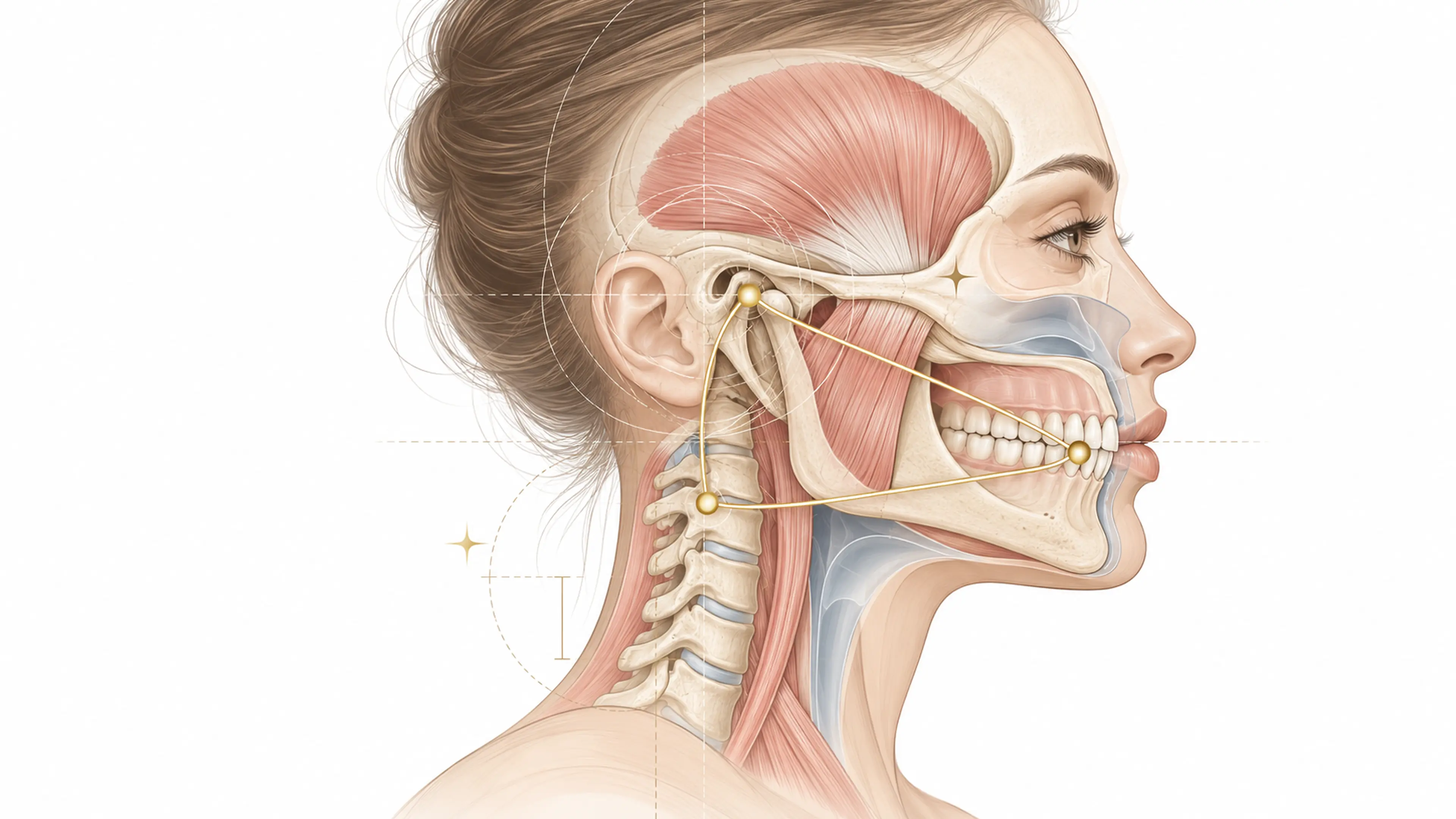
Physiologic dentistry is a relatively new approach to dental care. It builds on the principles of neuromuscular dentistry but takes the concept further. It addresses the relationship between the teeth, jaw joints, and muscles and examines the entire body's role in dental health.
This article will explain physiologic dentistry, how it differs from traditional dentistry, and why a whole-body approach is essential for treating TMJ and other dental issues.
What is Physiologic Dentistry?
Physiologic dentistry evolved from what was once known as neuromuscular dentistry. Neuromuscular dentistry focuses on aligning the teeth, jaw joints, and muscles to ensure proper function and alleviate pain, particularly in cases of TMJ disorders.
While this approach has been beneficial, physiologic dentistry goes beyond just the teeth and joints by examining the root causes of dysfunction that affect the entire system.
Instead of merely treating the symptoms, physiologic dentistry looks at what caused the problem in the first place. This deep dive into the body includes asking questions like:
- What interrupted the function of the jaw joints or muscles?
- Is the patient experiencing poor sleep or stress that affects their jaw?
- Are there underlying health issues or medications contributing to the dental problem?
A Whole-Body Approach to Dental Care
Unlike traditional dental practices focusing only on the teeth and jaw, physiologic dentistry takes a holistic approach. This whole-health approach means looking at the patient's overall health and considering factors such as:
- Sleep Patterns: Sleep disturbances, such as sleep apnea, can significantly impact the jaw and contribute to TMJ problems. Proper sleep is essential for the body's recovery and the relaxation of muscles, including those in the jaw.
- Health History: A patient's medical history may reveal underlying issues that could affect their dental health. For instance, chronic health conditions, injuries, or even the medications they are taking can exacerbate TMJ problems.
- Lifestyle Factors: Stress, poor posture, or even the patient's diet can impact dental health, and physiologic dentistry works to address these factors as part of the treatment plan.
Comprehensive Care for TMJ and Dental Health
The ultimate goal of physiologic dentistry is to create balance within the system. This approach focuses on relieving dental pain and dysfunction and improving the patient's overall health by correcting underlying issues. Some of the critical components of physiologic dentistry include:
- Assessing and correcting bite alignment ensures that the teeth and jaw function harmoniously.
- Identifying sleep-related problems, such as poor sleep quality or sleep apnea, might affect jaw health.
- Examining health history for factors that could influence dental issues, such as medications or previous injuries.
- Creating a personalized treatment plan that addresses the patient's unique needs and focuses on achieving long-term health.
Questions to Ask your Dentist
- How does physiologic dentistry differ from traditional dental treatments?
- What role do sleep and medications play in the health of the jaw and TMJ?
- How does a whole-body approach improve outcomes for TMJ patients?
(Hint: Dr. Green can answer these for you, usually at your first visit.)
All of us have ways in which we mask and cover our pain.
—Iyanla Vanzant
The Whole-Body Benefits of Physiologic Dentistry
Physiologic dentistry offers a more comprehensive approach to dental care by looking at the whole-body system rather than just focusing on the teeth and jaw. By identifying the root causes of dysfunction and addressing factors like sleep, health history, and overall wellness, physiologic dentistry can help patients achieve lasting relief from dental issues such as TMJ pain.
If you're experiencing chronic TMJ problems or other dental concerns, consider consulting a dentist such as Dr. Randi Green, trained in physiologic dentistry. This whole-body approach can improve your dental health and overall well-being.