

Can Poor Posture Be Causing Your TMJ Pain?

Jaw pain is easy to treat as a jaw problem. For many people, the neck is part of the same pattern.
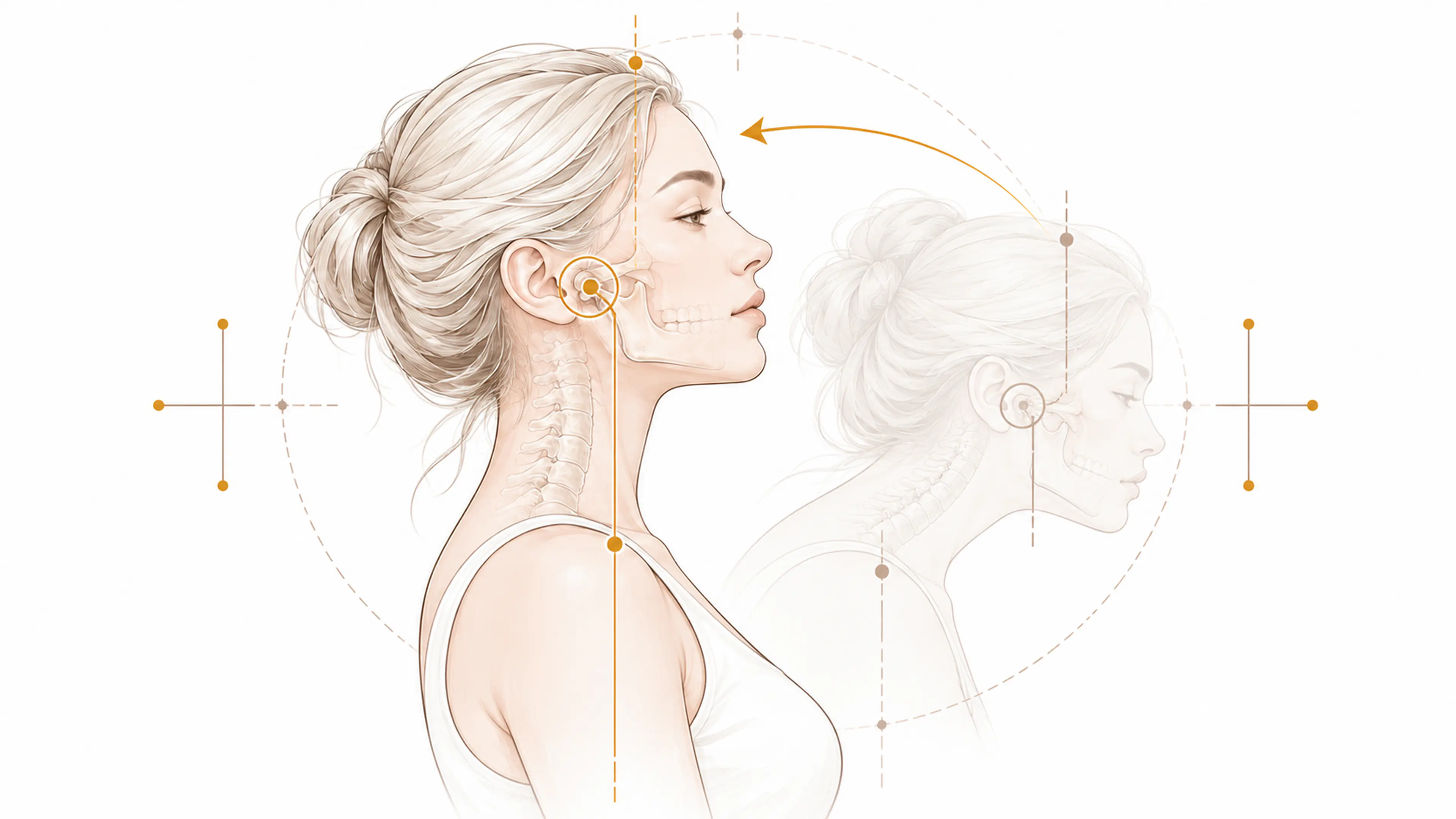
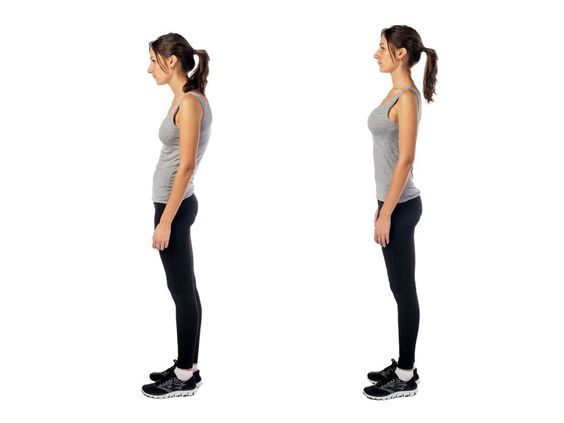
Poor posture, especially a head that sits forward of the shoulders, can aggravate TMJ pain. In some patients the posture came first. In others the bite came first, and the neck changed to compensate. Either way, the muscles that hold the head up and the muscles that move the jaw are sharing a load they were not meant to carry all day.
When a deep bite pushes the neck forward
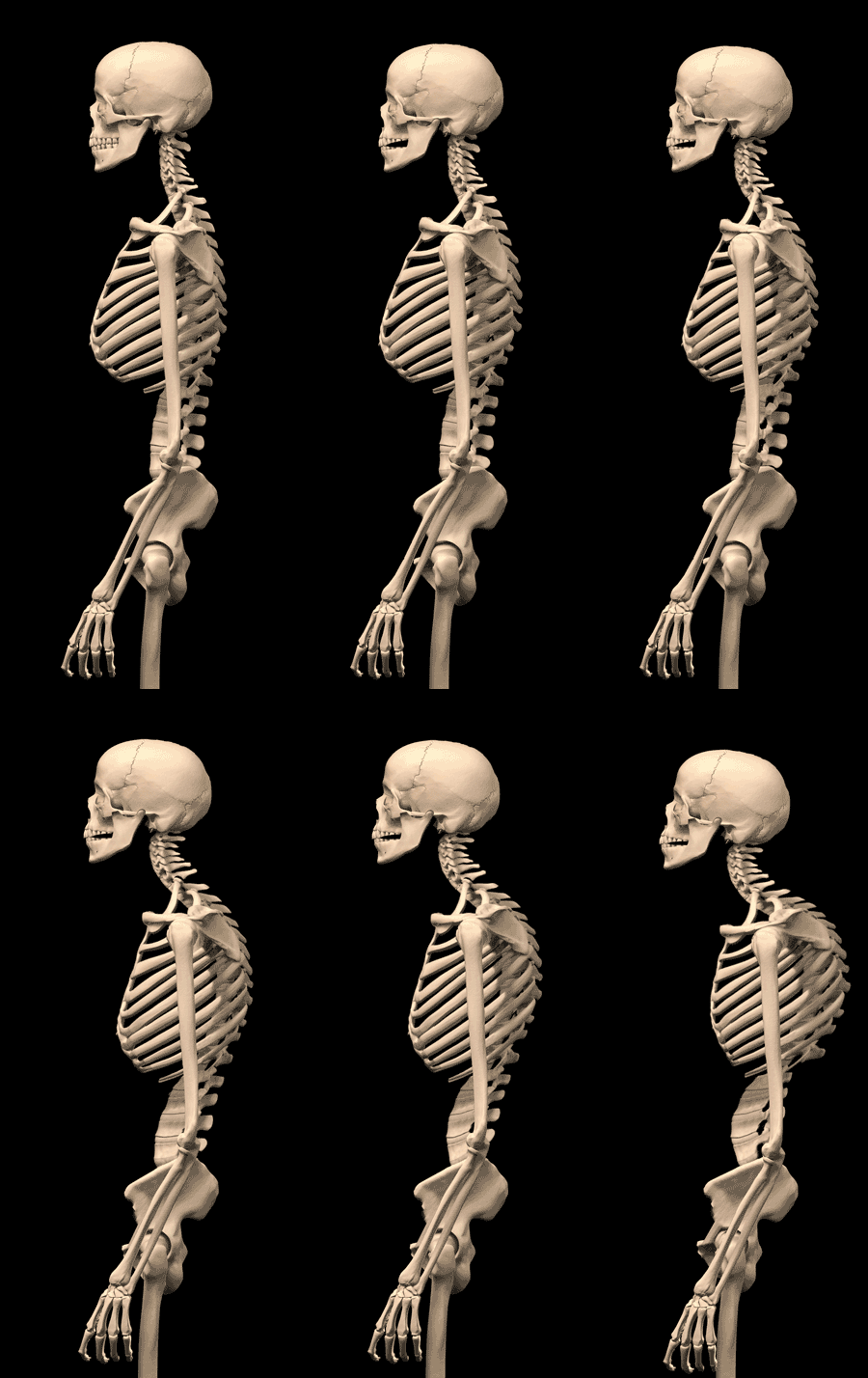
Some people have a deep bite: the upper front teeth overlap the lower ones more than they should, and the back teeth do not meet unless the head and neck change position. To get those back teeth together, the neck often overextends and the head drifts forward.
That workaround lets the teeth touch. It also asks the neck muscles to hold the head in a strained posture for as long as you chew, talk, or try to find a comfortable resting position.
Why an inch forward is not a small thing
When the ear sits in front of the shoulder, the neck feels that shift as extra weight. For every inch the ear moves forward of the shoulder, about ten pounds of perceived weight is added to the neck. The muscles work harder. Tension builds. Headaches join the jaw pain, and the jaw muscles tighten in response to the same forward posture that is trying to make the teeth meet.
This is one reason TMJ symptoms and neck discomfort show up together. The joint is not failing in isolation.
What you may feel
- More jaw tension, because forward head posture pulls on muscles connected to the jaw
- Headaches tied to strain in the neck muscles
- Chronic pain in the neck and jaw, if the posture and the bite keep asking for the same compensation
What actually helps
Sitting up straighter for a day will not change a bite. A more useful goal is a neutral head and neck position, where the ears line up with the shoulders, plus a bite that does not require you to crane forward in order to chew.
Depending on the case, that can include:
- Physical therapy to improve posture and strengthen the neck and jaw muscles
- Orthodontic treatment, such as physiologic orthodontics, to correct a deep bite so the teeth can meet without overextending the neck
- Jaw exercises, used with guidance, to reduce tension and improve jaw alignment

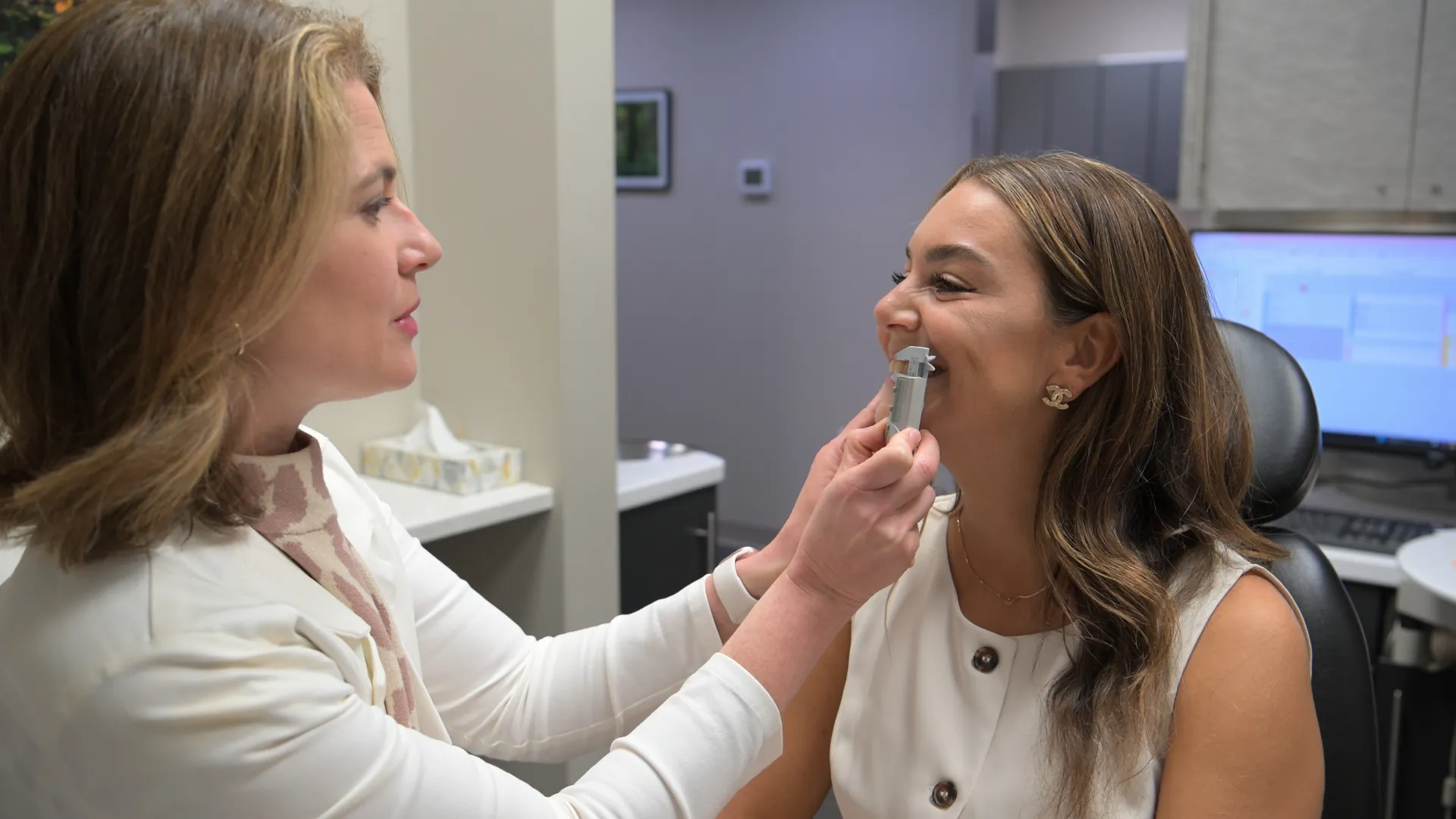
Dr. Randi Green looks at posture and bite together, rather than handing you a list of stretches and leaving the teeth out of it. If your neck juts forward every time your back teeth meet, that is clinical information, not a bad habit you failed to fix. Measuring how the jaw moves and how the bite lands is part of that workup; The Technologies Behind Non-Surgical TMJ Treatment explains the tools.
There is a separate article on this site about phones, screens, and “tech neck”: The Connection Between Jaw Pain and TMJ Disorder: How Posture Plays a Role. This one is about the bite-and-posture loop. If both sound familiar, both can be true. The next step is an evaluation that looks at how you sit, how you chew, and how the joints move, not a posture cue by itself. For the bigger picture of non-surgical care, read Can You Treat TMJ Pain Without Surgery? or browse the rest of the 30 Days of TMJ series.
If jaw pain and neck strain have been traveling together, call or text (417) 887-5155 or learn more about TMJ treatment at Springfield Smile Doctor.