

The Technologies Behind Non-Surgical TMJ Treatment

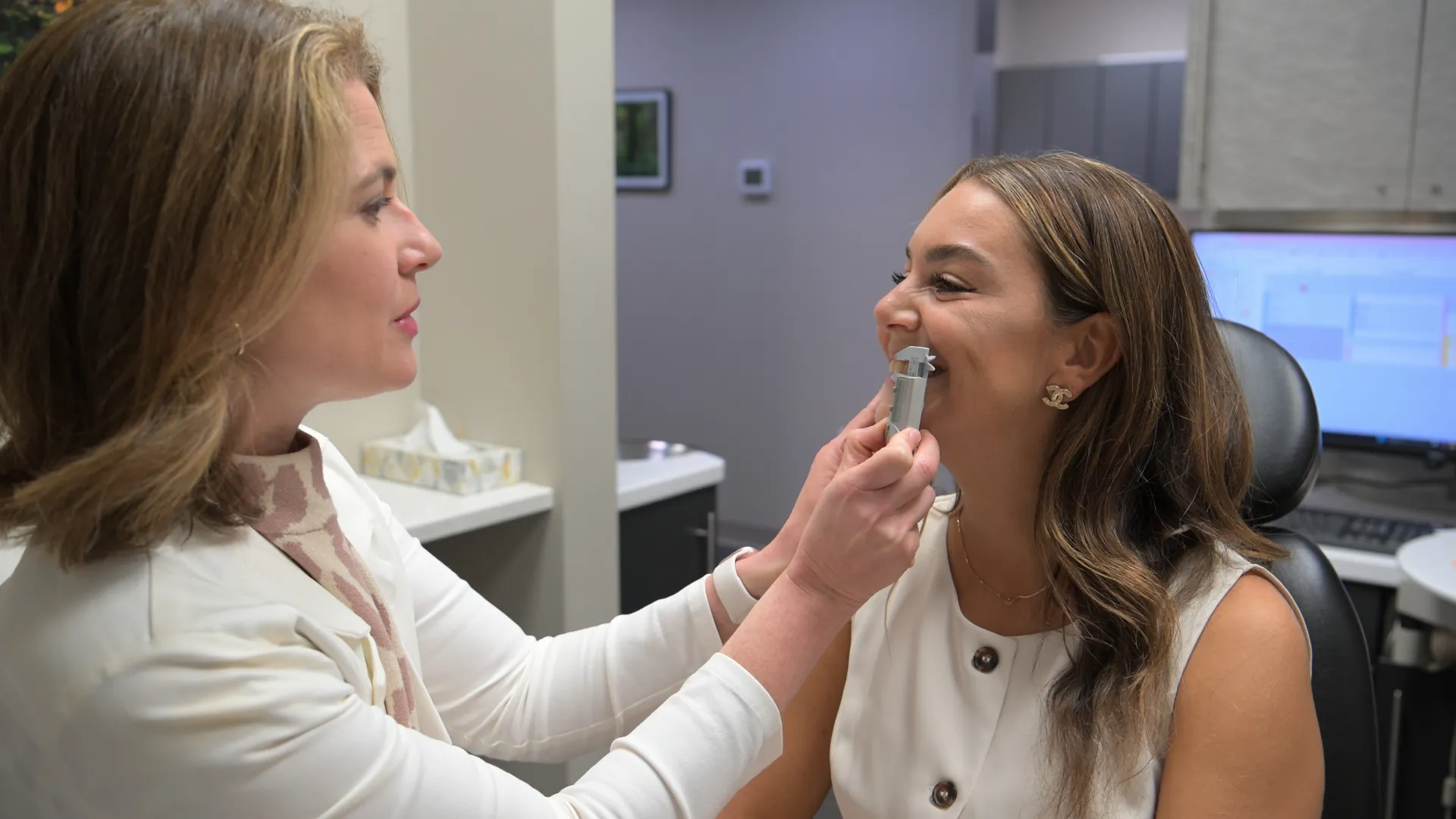
Most people with jaw pain, clicking, or headaches do not need TMJ surgery as a first step. What they need is a clear picture of how the joints, muscles, and bite are working together.
That picture does not come from a quick look and a one-size appliance. It comes from records: images, muscle data, jaw movement, and bite force. Below are the tools Dr. Randi Green uses to gather those records and to guide non-surgical TMJ treatment. None of them replace listening to you. They keep the plan tied to what is actually happening in your system.
If you want the broader question first (can TMJ pain be treated without surgery, and what does that process look like?), start with Can You Treat TMJ Pain Without Surgery? For how these records come together into a diagnosis, see Diagnosing TMJ with an Expert. This page is the map of the instruments.
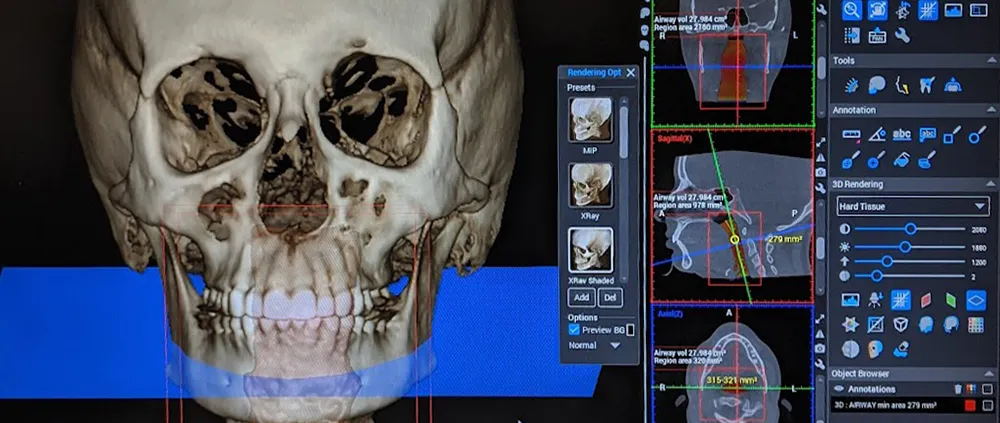
Planmeca Viso G5 3D X-ray
This scanner builds a three-dimensional image of your jaws and facial structures, from about the eyebrows to the top of the spine. It is closer to a map than a flat snapshot. Dr. Green uses it to plan TMJ treatment with more precision, and the scan is read with a board-certified radiologist, so you get a full written report, not only what is visible in the chair.
Electromyography (EMG)
EMG records how your jaw muscles behave when you chew and when they are at rest. It is not painful. The output is a graph of muscle activity, which helps show how healthy the muscles are and how they are working. Treatment can then be planned around the muscles you actually have, not an average patient.
JT-3D jaw tracking
JT-3D is a precise way to see how your jaw moves: where it sits, how it opens and closes, and how quickly it gets there. The data and visual record help explain a pop, a shift to one side, or a limited opening in something you can see, instead of guessing from a description alone. If popping is what brought you in, Is Popping and Clicking of the TMJ Joint Normal? explains why it is worth measuring.
M-SCAN muscle screening
M-SCAN is a smaller, faster check of the facial muscles. It shows whether the two sides of the face are working evenly and helps track how treatment is going from one visit to the next. Like EMG, it is not a painful test.
ULF TENS
Ultra-low-frequency TENS uses small patches on the face to send gentle signals that help tired muscles relax and can improve blood flow. In this office, TENS is not a one-time extra. Dr. Green uses it at every visit, so the muscles are relaxed when the bite is checked and adjusted.
T-SCAN occlusal analysis
T-SCAN is a digital recording of bite force that shows how your teeth come together: which teeth hit first, which hit hardest, and whether the two sides share the load. A sound bite is essential for long-term stability. This tool makes that balance visible so problems can be corrected before they cause more trouble.
What this adds up to
Used together, these records answer questions a mirror cannot. Where are the joints? What are the muscles doing? How does the jaw move? Where does the bite concentrate force? The goal is a non-surgical plan that is specific to you, and a way to see whether treatment is changing those readings over time. You can see what that looks like from the patient’s side in Rene’s story, and in how posture and bite interact in Can Poor Posture Be Causing Your TMJ Pain?
If you have been told surgery is the only next step, it is fair to ask whether this kind of workup has been done first. Call or text (417) 887-5155 or reserve a TMJ evaluation.